

Run your fingertips across your cheeks. If you feel rough patches, tiny bumps or dry patches instead of smooth skin, you have textured skin, and you are far from alone. Uneven skin texture is as common as uneven skin tone, but it is much harder to hide, because makeup tends to settle into it. The good news is that most texture is not permanent, and a smoother complexion is within reach. Here is how to get rid of textured skin with a routine that works with your skin instead of against it.
What Causes Textured Skin and Bumpy Skin?
Rough skin texture usually comes from several factors working together:
- Dead skin buildup. Skin cell turnover slows with age, so dead skin cells linger on the skin's surface and make it feel rough and look dull.
- Clogged pores. Excess oil and excess sebum mix with dead cells and clog pores, which creates bumpy skin and enlarged pores, especially on oily skin.
- Dehydration and dry skin. Skin that has lost moisture looks crepey and uneven.
- Sun damage. UV exposure speeds up collagen breakdown, so skin loses smoothness and skin elasticity over time.
- Hormonal changes and acne scars. Hormonal shifts can trigger breakouts, and deeper breakouts can leave acne scars that change the skin's structure.
Most uneven texture has more than one cause, so the best approach treats the surface, the pores and the skin barrier together.
How to Get Rid of Textured Skin in 7 Steps
1. Exfoliate Regularly to Remove Dead Skin Cells
To exfoliate regularly does not mean exfoliating daily. For most skin types, one to three times per week is enough to lift dead skin without irritation. The American Academy of Dermatology warns that over-exfoliating leaves skin red and irritated, which makes uneven texture look worse.
Chemical exfoliation is more even than a gritty scrub. Alpha hydroxy acids loosen the bonds that hold dead cells together. Glycolic acid is the most common AHA and works fast, but it can sting sensitive skin. Lactic acid works closer to the surface and draws in moisture as it exfoliates, which makes it a gentle exfoliator for most people.
"You do not want to burn or damage skin. Let your skincare work smarter, not harder," says Sonya Dakar.
Sonya's Pick: Flash Facial, a 60-second exfoliator you massage on and roll off

2. Clear Enlarged Pores and Bumpy Skin with Salicylic Acid
If your texture feels like tiny bumps, clogged pores are the likely cause. Salicylic acid is oil soluble, so it works inside the pore to clear excess oil and debris before they build up. It is one of the most effective chemical exfoliants for oily skin and acne-prone skin, and keeping pores clear makes them look smaller.
Sonya's Pick: Super Clear, a salicylic acid serum with niacinamide.

3. Use a Retinoid to Improve Skin Texture Over Time
Retinoids, including retinol, encourage skin cell turnover, so fresh cells reach the surface faster and texture looks more refined. Research also links retinoids to collagen production, which is why they soften fine lines and shallow scarring with consistent use. Start two or three nights a week and build up slowly.
Sonya's Pick: Retinu, a retinoid serum made with a gentle, next generation retinoid ester instead of pure retinol. Read our guide on how to use retinol without irritation before you start.

4. Hydrate with Hyaluronic Acid
Dehydration is one of the most overlooked causes of dull, uneven skin texture. Hyaluronic acid is a humectant that helps skin hold on to water, so the surface looks plumper and smoother. Use a moisturizer or serum with hyaluronic acid or ceramides every day to prevent dry, flaky skin. Hydrated skin reflects light evenly, which gives you smoother looking skin almost right away.
Sonya's Pick: Barrier Bliss, a lightweight serum with hyaluronic acid, panthenol and hemp seed oil.

5. Repair a Compromised Skin Barrier
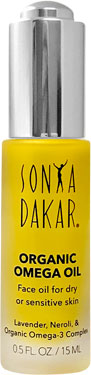
A compromised skin barrier lets moisture escape and leaves skin red, tight and rough. If your skin stings after exfoliating, pause active ingredients for a few days and focus on replacing lost moisture. A face oil rich in omega fatty acids helps smooth rough patches and seal in hydration on top of your moisturizer.
Sonya's Pick: Organic Omega Oil
6. Wear SPF 30 or Higher Every Day
Sun exposure is one of the biggest drivers of skin texture changes. UV rays from daily sun exposure break down collagen and cause premature aging, dark spots and uneven tone. The AAD recommends a broad-spectrum, water-resistant sunscreen with SPF 30 or higher every day. Daily sunscreen protects the work you put in to improve skin texture, since exfoliated skin is more vulnerable to UV damage.
Sonya's Pick: Day Drops SPF 50 Serum, a sheer zinc oxide sunscreen.

7. Support Healthy Skin with a Healthy Diet
Eating plenty of fresh fruits and vegetables supplies the antioxidants skin uses to defend against skin damage, and vitamin C is essential for collagen. Drinking plenty of water supports overall hydration, although topical moisture does more for skin texture. Applied topically, vitamin C also brightens dull areas and helps even out skin tone for a brighter complexion.
Professional Treatments to Improve Uneven Skin Texture
When at home treatments are not enough, professional treatments can target skin texture at a deeper level:
- Chemical peels. Professional chemical peels use stronger acids to remove damaged layers and improve uneven tone, sun damage and acne scars.
- Microneedling. Tiny needles create controlled micro-injuries that stimulate collagen production. A 2024 review in Cureus found microneedling improves overall skin texture and the look of atrophic acne scars.
- Laser resurfacing. Laser treatments remove or heat layers of skin to smooth rough skin and improve overall skin quality, with more downtime.
For optimal results, talk to a board-certified dermatologist or licensed skin professional about which option fits your skin type.
How Long Does It Take to Improve Texture?
You may notice smooth skin texture right after exfoliating, but lasting results take time. Most routines need 4 to 12 weeks of consistent use to visibly improve texture, since skin needs several cycles of cell turnover. Choose skincare formulas that suit your skin type and add one new product at a time.
Want a routine built for you? Take our free skin consultation or shop our products for textured skin.
Frequently Asked Questions
Does textured skin ever go away?
Uneven texture caused by dead skin buildup, clogged pores or dehydration usually improves with the right routine. Deeper texture from acne scars or collagen loss often needs professional treatments.
Which serum is best for textured skin?
It depends on the cause. A salicylic acid serum is best for bumps and clogged pores, a retinoid serum smooths overall texture and a hyaluronic acid serum helps with dry skin. Many people use more than one.
Can you get rid of dead skin at home?
Yes. A gentle chemical exfoliant used one to three times per week will remove dead skin and help you achieve smooth skin texture without the irritation of harsh scrubs.


