

-
ZIT BUSTER clarifying spot treatment
Regular price From $36.00 USDRegular priceUnit price per -
SUPER CLEAR
Regular price $58.00 USDRegular priceUnit price per -
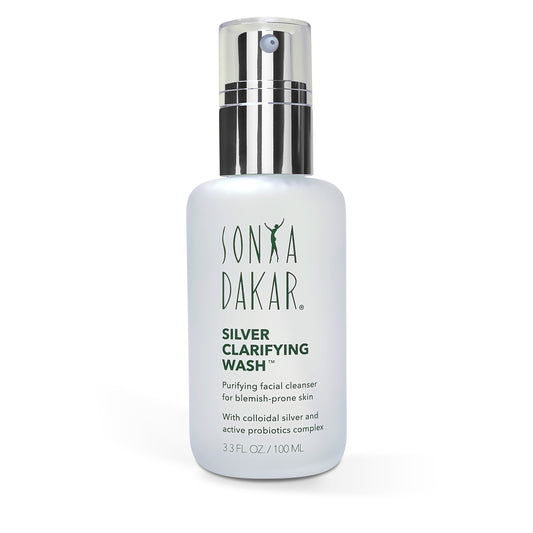
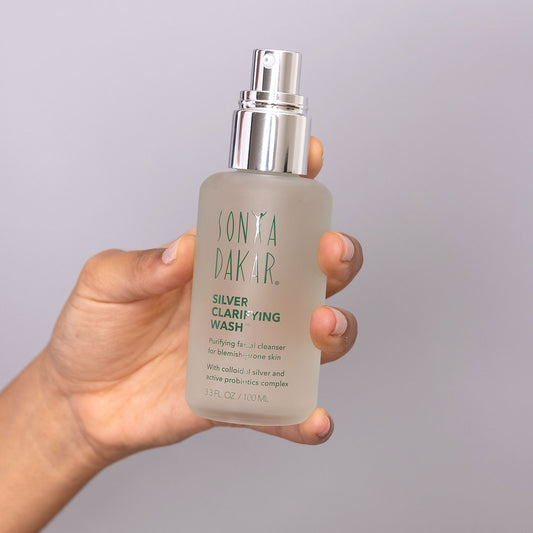
Silver Clarifying Face Wash
Regular price From $18.00 USDRegular priceUnit price per -
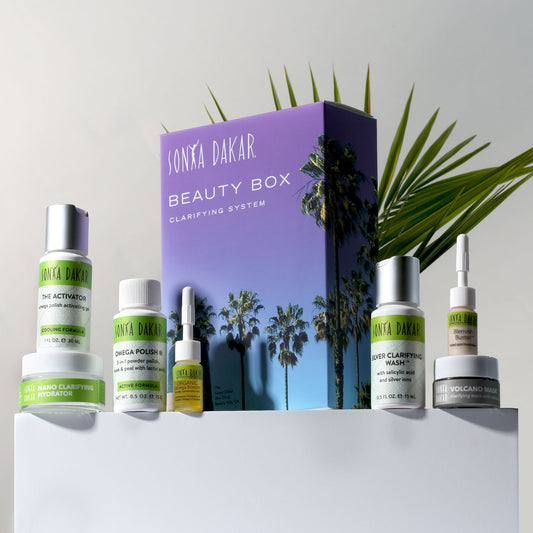
Beauty Box Clarifying System
Regular price $59.00 USDRegular priceUnit price per$89.00 USDSale price $59.00 USDSale -
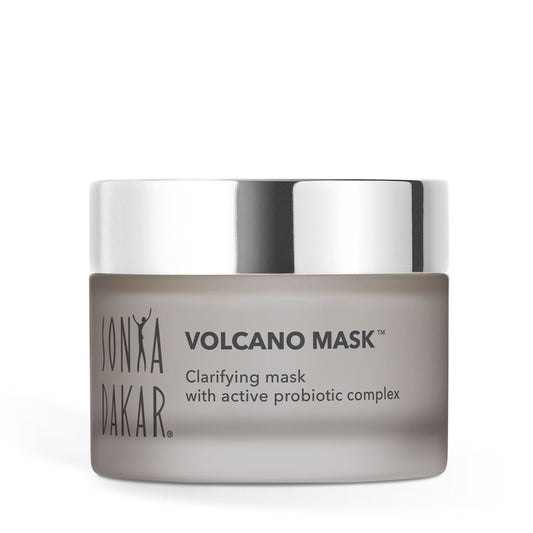
Volcano Mask
Regular price From $29.00 USDRegular priceUnit price per -
Nano Clarifying Hydrator
Regular price From $35.00 USDRegular priceUnit price per -
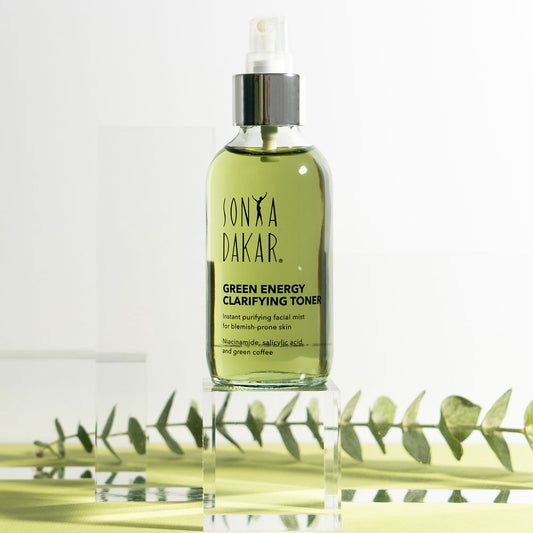
Green Energy Clarifying Toner
Regular price From $18.00 USDRegular priceUnit price per -
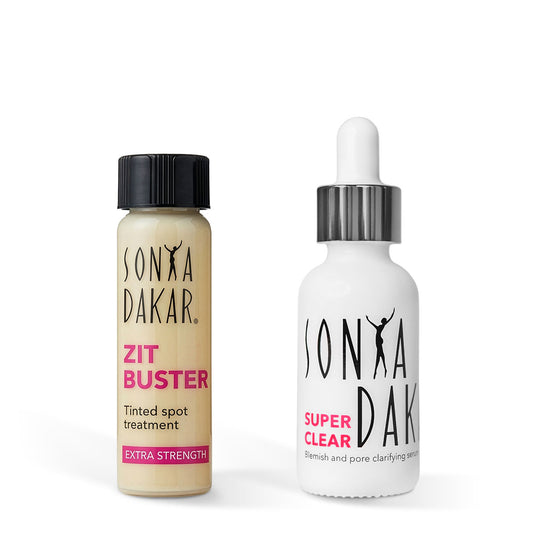
Zit Buster + Super Clear Duo
Regular price From $84.00 USDRegular priceUnit price per$94.00 USDSale price From $84.00 USDSale -
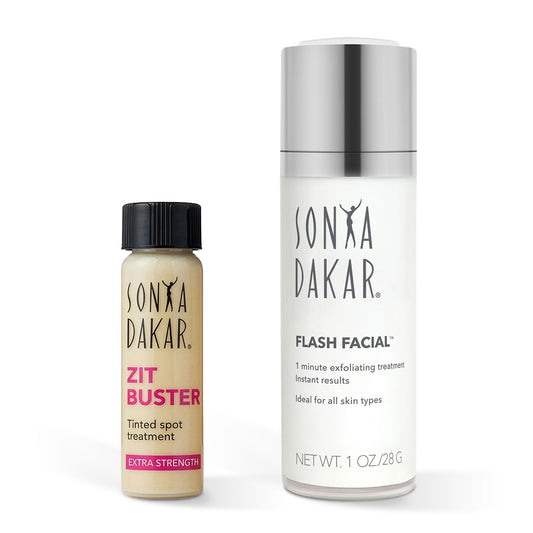
Zit Buster + Flash Facial Duo
Regular price From $87.00 USDRegular priceUnit price per$96.00 USDSale price From $87.00 USDSale -
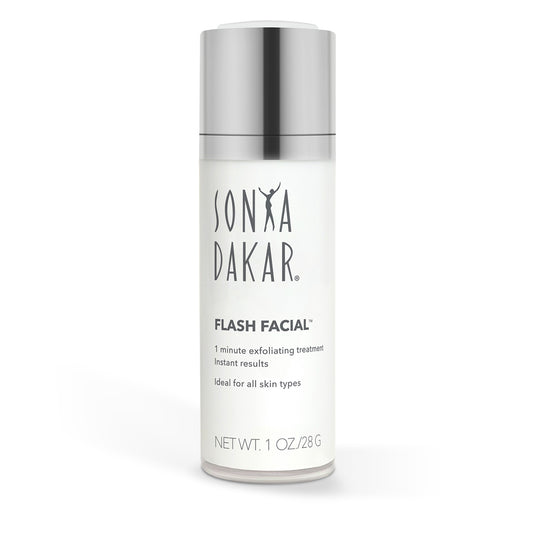
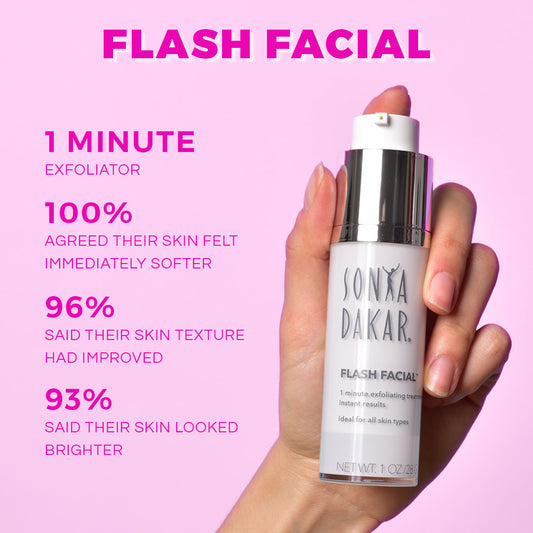
Flash Facial
Regular price From $60.00 USDRegular priceUnit price per -
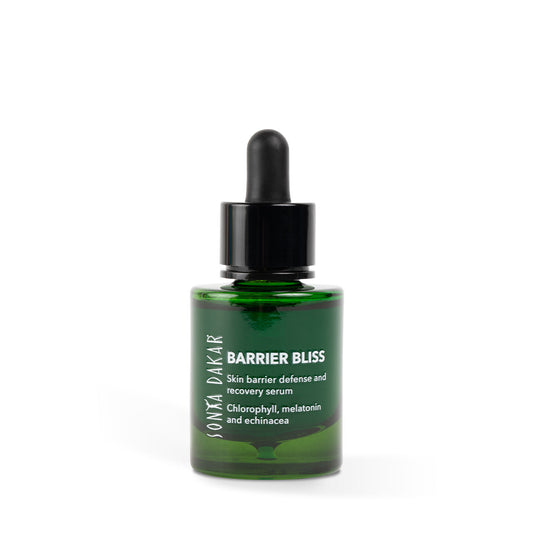
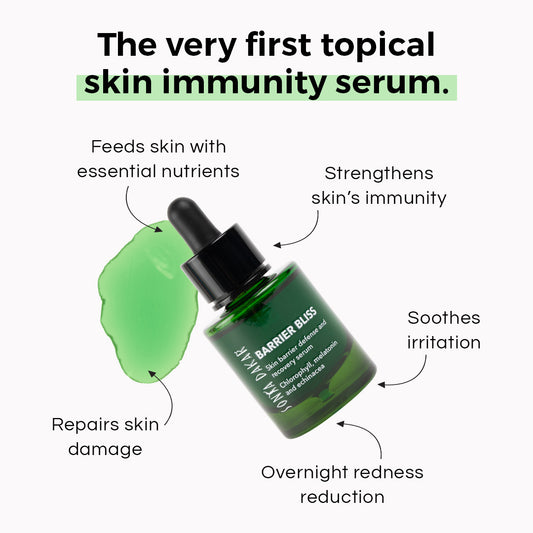
Barrier Bliss
Regular price $66.00 USDRegular priceUnit price per -
Organic Omega Oil
Regular price From $59.00 USDRegular priceUnit price per -
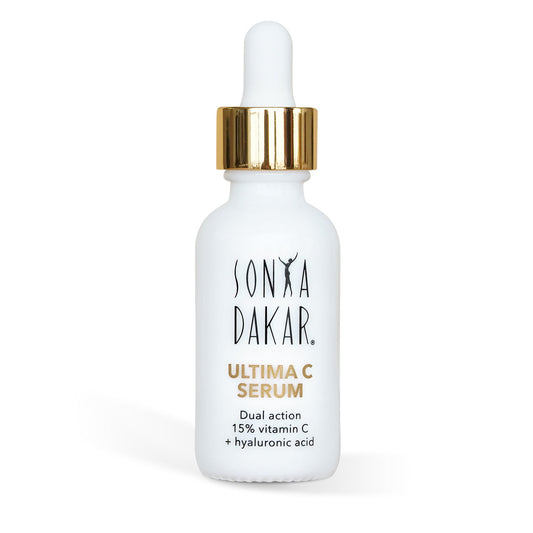
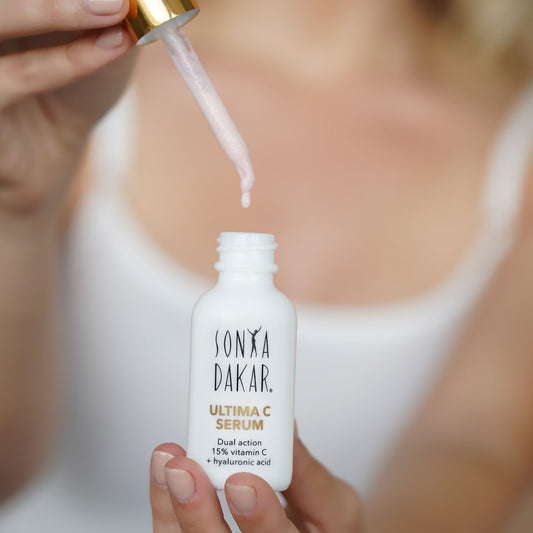
Ultima C Serum
Regular price $90.00 USDRegular priceUnit price per -
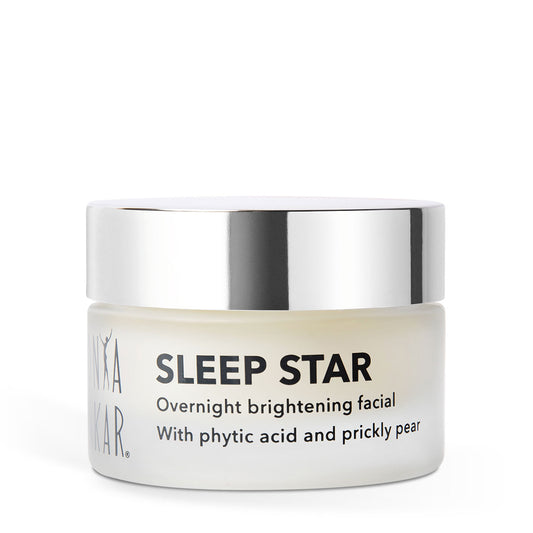
Sleep Star
Regular price $90.00 USDRegular priceUnit price per -
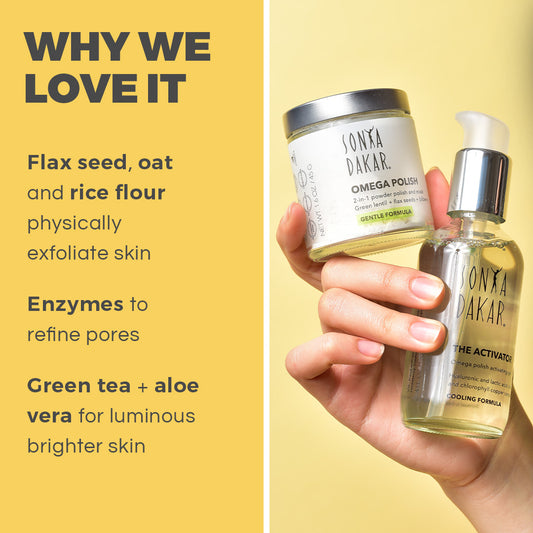
Omega Polish and Activator Duo
Regular price From $25.00 USDRegular priceUnit price per -

 Sale
SaleMini Toner Trio
Regular price $38.00 USDRegular priceUnit price per$54.00 USDSale price $38.00 USDSale







How Our Acne Products Work on Acne Prone Skin
Every breakout starts the same way. Your skin makes more oil than it needs, dead skin cells that should shed on their own stick together inside the pore, and the mix forms a plug. Once a pore is blocked, acne causing bacteria that live on everyone's skin have an oxygen-poor place to multiply, and your skin responds with inflammation. That's the whole life cycle of acne vulgaris, the medical name for common acne, whether you see it as blackheads, whiteheads or red, tender bumps.
Knowing that sequence is what makes it possible to treat acne well. Excess oil production, clogged pores, bacteria and inflammation each need a different kind of help, and the acne products in this collection are built to cover all four. Our cleansers and toners remove excess oil and help unclog pores. Our serums and spot treatments go after dead skin cells and bacteria. Our moisturizers and barrier products keep skin calm enough to keep treating.
That last part matters more than most acne skincare gives it credit for. Sonya Dakar's formulas come out of her work with clients at her Beverly Hills skin clinic, and one pattern shows up again and again: people with acne prone skin often over-treat it. They stack harsh products, strip every trace of oil, and end up with irritated skin that breaks out anyway. Our approach is to clear pores with effective active ingredients while protecting the skin barrier, so you can stay consistent long enough to see results.
Comedonal Acne vs. Inflammatory Acne
It helps to know which type of acne you're dealing with before choosing acne treatments.
Comedonal acne is made up of blackheads and whiteheads: clogged pores without much redness or swelling. It responds best to exfoliating ingredients that work inside the pore, like salicylic acid, and to consistent oil control.
Inflammatory acne is the red, raised, sometimes painful kind: papules, pustules and deeper bumps. Bacteria and inflammation are driving these, so you want ingredients that calm the skin as well as clear the pore, like sulfur, niacinamide and soothing botanicals.
Most people have some of both. A good routine uses a gentle, pore-clearing base every day and adds targeted treatments where active breakouts show up.
Acne Fighting Active Ingredients, Explained
Acne fighting ingredients aren't interchangeable. Here's what each of the main ones does, where it fits, and which of our products use it.
Salicylic Acid
Salicylic acid is a beta hydroxy acid (BHA), and it's the ingredient we rely on most. Unlike water-soluble acids, it's oil soluble, so it can move through the sebum inside a pore instead of stopping at the surface. Once there, it loosens the dead skin cells and oil that form blackheads and breakouts. That makes it one of the best options for clogged pores, comedonal acne and oily skin.
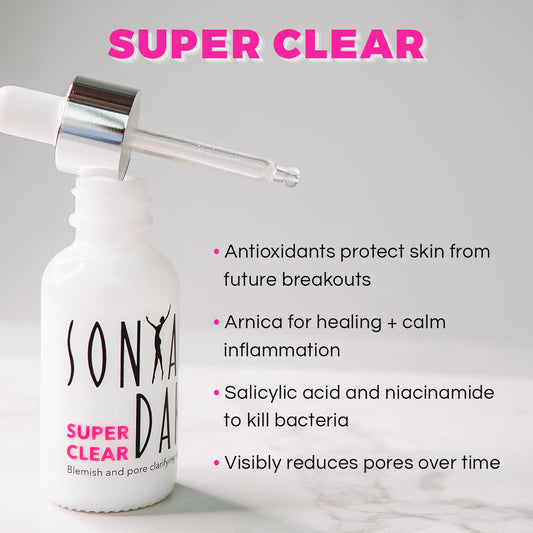
You'll find salicylic acid products throughout this collection: in Super Clear, paired with niacinamide; in Zit Buster, with sulfur and camphor for spot treatment; in Silver Clarifying Face Wash, alongside colloidal silver and probiotics; and in Green Energy Clarifying Toner and Volcano Mask. Because salicylic acid can increase sun sensitivity, pair it with daily SPF.
Benzoyl Peroxide: When It Makes Sense
Benzoyl peroxide is one of the most widely used acne medications, and it works by reducing acne causing bacteria. It's effective, especially for inflammatory acne. It's also drying, it bleaches towels and pillowcases, and on sensitive skin it can cause more skin irritation than the breakout did. That's why most of our formulas use salicylic acid and sulfur instead.
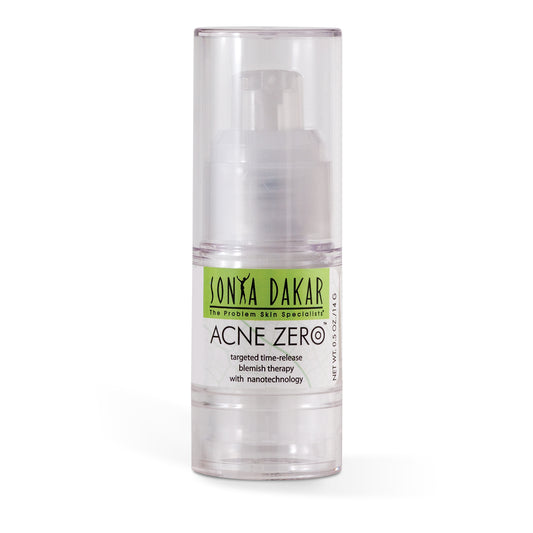
For people whose skin tolerates it, benzoyl peroxide products can still earn a place in a routine. Our Acne Zero treatment uses encapsulated benzoyl peroxide and is currently out of stock. If you use benzoyl peroxide from any source, apply it only where you need it, start every other day, and follow with a moisturizer.
Azelaic Acid
Azelaic acid is an ingredient dermatologists often suggest for people who deal with both breakouts and lingering discoloration. It has mild antibacterial and exfoliating effects, and it's known for being gentler than many other acne actives, which is why it comes up often in conversations about sensitive skin and uneven skin tone after acne. We don't currently carry an azelaic acid product. If post acne marks are your main concern, our dark spot correctors are formulated specifically to brighten the look of discoloration.
Sulfur, Niacinamide and Probiotics
These three show up across our acne line because they help without harshness.
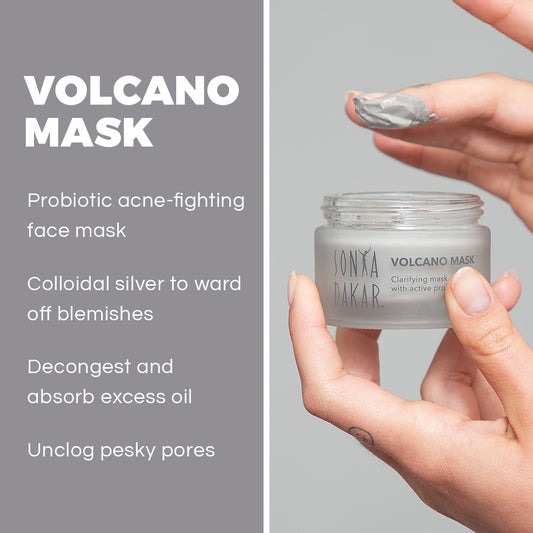
- Sulfur absorbs excess oil and helps calm acne causing bacteria while staying tolerable on inflamed skin. It's the core of Zit Buster and appears in Volcano Mask.
- Niacinamide, or vitamin B3, helps control oil production and improves the look of uneven skin tone over time. It's in Super Clear, Silver Clarifying Face Wash and Green Energy Clarifying Toner.
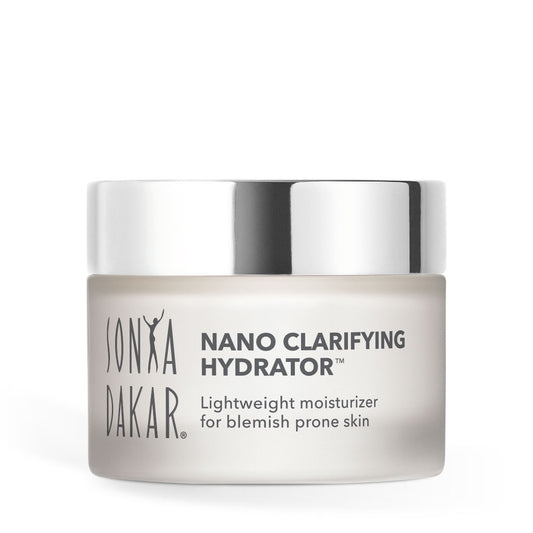
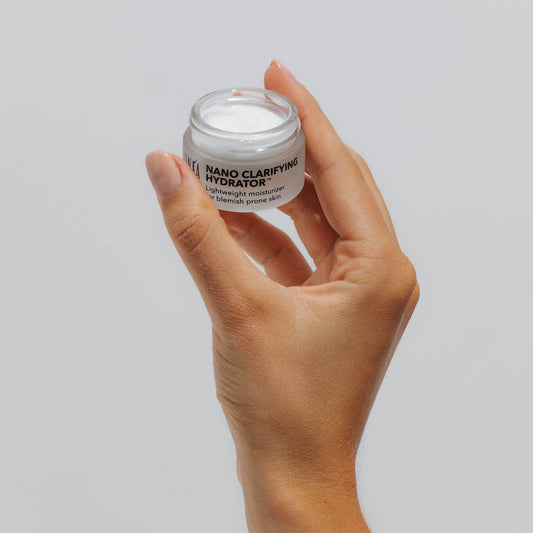
- Probiotics such as lactobacillus and bifida ferment support a balanced skin surface. Nano Clarifying Hydrator uses a probiotic blend that naturally produces lactic acid, and Silver Clarifying Face Wash pairs probiotics with colloidal silver.
Alpha Hydroxy Acids: Glycolic and Lactic Acid
Alpha hydroxy acids (AHAs) are water soluble, so they work on the surface rather than inside the pore. They're useful for skin renewal: they remove dead skin cells from the top layer, smooth rough texture and help fade dark marks. Glycolic acid has the smallest molecule and penetrates fastest, which also makes it more likely to sting. Lactic acid is larger and gentler, with added hydration, so it suits dry skin and skin sensitivity better.
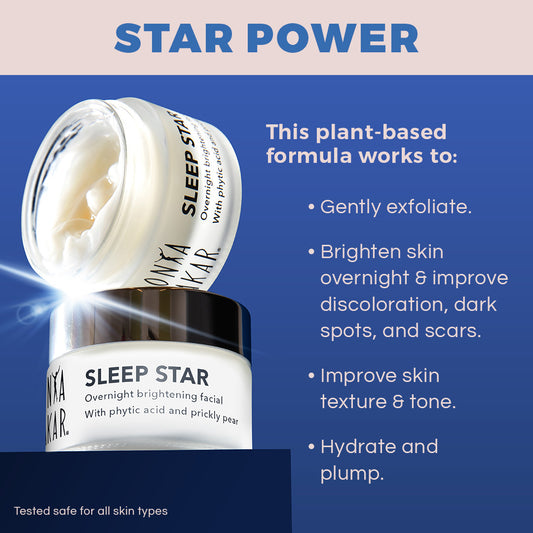
We use lactic acid for gentle exfoliation. Flash Facial is our lactic acid exfoliator, and Sleep Star uses a 10% complex of lactic and phytic acids as an overnight treatment. For acne prone skin, a BHA handles the pores and an AHA a couple of nights a week handles the surface.
Choosing the Best Acne Treatments for Your Skin Type
The best acne treatments are the ones your skin type can handle every day. A formula that clears pores but leaves you red and flaking won't last a month in your routine.
Oily Skin
If your face gets shiny by midday and your pores look enlarged, you need products that remove excess oil without stripping. Start with Silver Clarifying Face Wash, add Super Clear as your daily serum, and use Volcano Mask two to five times a week to draw out congestion. Nano Clarifying Hydrator is an oil-free, lightweight moisturizer with sebum regulators, so you still hydrate without adding shine. For more options, browse our full range of products for oily skin.
Sensitive Skin
Sensitive skin with breakouts is the hardest combination to treat because the usual acne medications often cause redness and flaking. Stick with lower-strength, calming formulas. Super Clear pairs salicylic acid with centella asiatica, calendula and arnica, and it's alcohol free. Zit Buster comes in Regular and Extra Strength, so start with Regular. Add Barrier Bliss, which uses ceramides, when your skin feels tight or reactive. Patch test any new active and introduce one product at a time.
Dry Skin
Yes, dry skin breaks out too. It's also more likely to get irritated by drying acne products. Use a gentle cleanser, apply acne treatments only where you need them, and don't skip moisturizer. A few drops of Organic Omega Oil or a layer of Barrier Bliss can help keep your skin barrier comfortable while spot treatments do their job.
Combination Skin
Treat each area of your face separately. Use Super Clear or Green Energy Clarifying Toner across the T-zone, keep your cheeks on a lighter routine, and reserve Zit Buster for individual spots. Many people with combination skin find the Beauty Box Clarifying System is the easiest place to start, since it includes cleanser, exfoliator, moisturizer, mask and spot treatment in trial sizes.
How to Manage Acne Without Damaging Your Skin Barrier
The skin barrier is the outermost layer of your skin, a mix of cells and lipids that holds moisture in and keeps irritants out. When it's healthy, your skin tolerates active ingredients well. When it's damaged, even a mild product can sting, and breakouts often get worse because inflamed skin heals more slowly.
Over-treating is the most common way people with acne damage their barrier. The signs are easy to spot once you know them: tightness right after cleansing, flaking around the nose and mouth, stinging when you apply a product that never bothered you before, and a shiny but dehydrated look. If that sounds familiar, pause your exfoliants and spot treatments for a few days and focus on cleansing gently and moisturizing.
A few rules help you manage acne and protect overall skin health at the same time:
- Use one strong active per routine. Pairing a salicylic acid serum with a separate acid exfoliant in the same night is usually too much for acne prone skin.
- Exfoliate on a schedule. Once or twice a week is enough for an exfoliant that removes dead skin cells from the surface, like Flash Facial. Daily salicylic acid in a serum or cleanser already keeps pores clear.
- Moisturize every time you treat. Barrier Bliss uses ceramides, the same kind of lipids your barrier is made of, to help skin feel comfortable again.
- Keep water lukewarm. Hot water strips oil and leaves skin feeling tight.
Long-term skin health is what makes clear skin last. The goal isn't to dry out every breakout as fast as possible. It's to keep your skin calm and balanced enough that fewer breakouts form in the first place.
Build an Acne Skincare Routine That Lasts
A consistent acne skincare routine does more than any single product. Here's the order we recommend, with the step each of our products covers.
Start With an Acne Cleanser
Your cleanser is the one product that touches your whole face twice a day, so it has to be effective and gentle at the same time. Silver Clarifying Face Wash is a sulfate free acne cleanser with salicylic acid, colloidal silver and probiotics, and it's free of parabens, dyes and added fragrance. Many facial cleansers made for acne rely on harsh sulfates that leave skin tight, which pushes your skin to produce more oil. A gentle cleanser that clears pores without stripping avoids that cycle. If you wear makeup or sunscreen, cleanse twice at night.
Tone and Treat
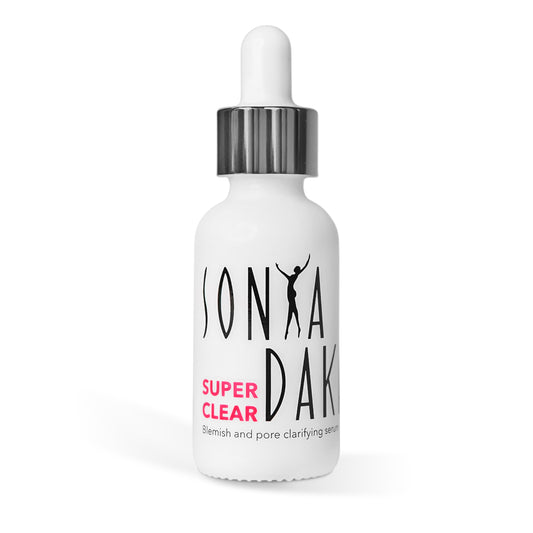
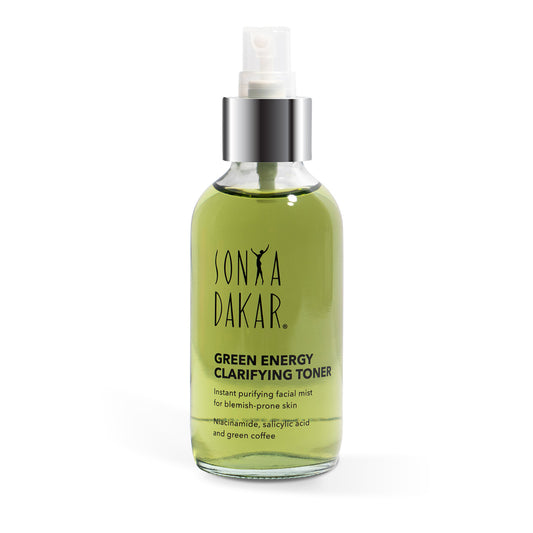
After cleansing, mist on Green Energy Clarifying Toner for a light layer of salicylic acid and niacinamide. Then apply three to four drops of Super Clear. This is your all-over treatment step, the one working on clogged pores and future breakouts across your whole face, not only where you can see a pimple today.
Add Spot Treatments Where You Need Them
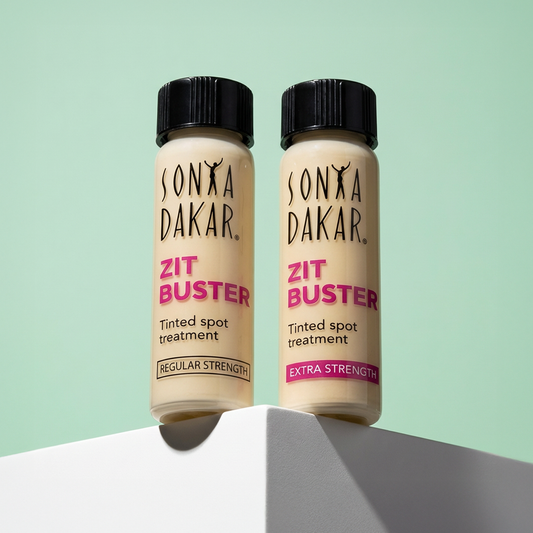
Spot treatments are for active breakouts. Dot Zit Buster directly onto a blemish with the applicator wand; it's tinted, so it can go under makeup during the day or work overnight. With salicylic acid, sulfur, camphor and zinc oxide, it's designed to treat mild to moderate blemishes without drying out the skin around them. Pimple patches are another option once a blemish comes to a head, mostly because they keep you from picking at it. Many people use both.
Finish With a Lightweight Moisturizer
Skipping moisturizer is one of the most common acne routine mistakes. When skin gets too dry, it can produce more oil to compensate, and a compromised skin barrier is more reactive to every active you put on it. Nano Clarifying Hydrator is a fragrance free, lightweight moisturizer made for acne prone and oily skin. If you're drier, layer Barrier Bliss or a drop of Organic Omega Oil on top.
Protect With SPF Every Morning
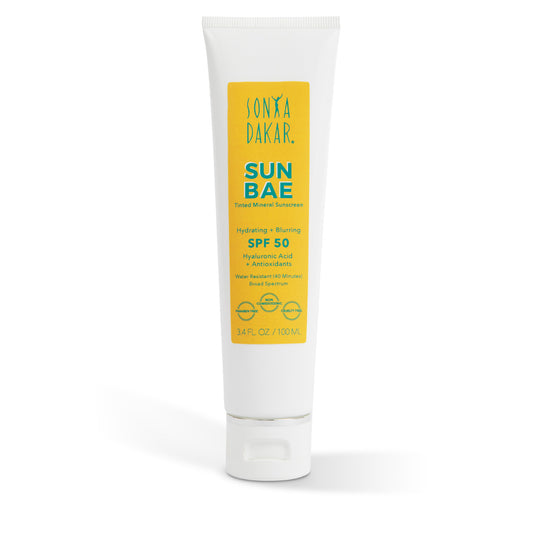
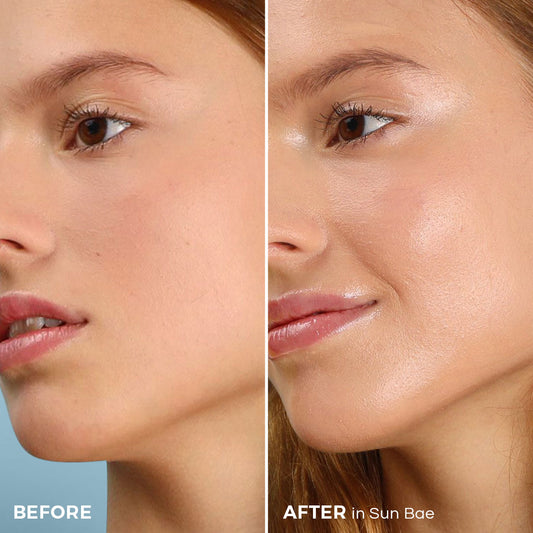
Salicylic acid and AHAs make skin more sensitive to the sun, and sun exposure darkens the marks breakouts leave behind. Sun Bae is a tinted mineral sunscreen with zinc oxide and titanium dioxide, plus hyaluronic acid for hydration. Wear it daily, even on cloudy days.
Weekly Extras
Two to five times a week, apply Volcano Mask for up to 10 minutes to absorb oil and help clear congestion. One or two nights a week, use Flash Facial or Sleep Star for gentle exfoliation. Don't combine a new exfoliant with a new spot treatment in the same week. If you add changes one at a time, you'll know which product is working and which one is irritating you.
For a deeper walkthrough, read our guide to the best skincare routine for acne prone skin.
Treating Active Acne Breakouts and Preventing New Ones
Most acne breakouts form over several weeks before they show on the surface. A pimple you notice today started as a microscopic clog long before, which means two things. First, what you apply today mostly affects the breakouts you'll see in the coming weeks. Second, you need to use a product for six to eight weeks before judging it.
Split your routine into two jobs. Targeted treatments like Zit Buster handle active breakouts you can already see. Daily products like Super Clear, Silver Clarifying Face Wash and Nano Clarifying Hydrator prevent acne by keeping pores clear and oil in check, so fewer new breakouts form.
Some everyday habits can trigger breakouts too:
- Heavy, pore-clogging makeup or hair products along the hairline
- Touching your face or picking at past breakouts
- Sleeping on the same pillowcase for more than a few nights
- Leaving sweat on your skin after a workout
- Over-exfoliating, which damages the skin barrier and leads to more inflammation
If you wear makeup, look for non-comedogenic formulas and take everything off before bed.
Body Acne
Body acne on the chest, back and shoulders forms the same way facial acne does: oil, dead skin, trapped sweat and bacteria. Body breakouts often flare after workouts or in hot weather, when sweat and tight clothing hold everything against the skin. Showering soon after exercise, wearing breathable fabric and using a body wash with salicylic acid can all help. Our acne products are formulated for the face, but the same active ingredients apply. Read more in our guide to sweat pimples and how to get rid of them.
Adult Acne and Acne Prone Skin After Your Teens
Adult acne is common, especially for women in their 20s, 30s and 40s. It often shows up along the jawline, chin and lower cheeks, and it tends to flare with hormonal shifts, stress and lack of sleep. Our post on acne from stress covers that connection in detail.
Treating adult skin takes a different balance than treating teenage acne. Adult skin is usually drier and more sensitive, and many people want to address fine lines or dullness at the same time. That rules out the harshest acne products. The better approach is a gentle routine built around salicylic acid and niacinamide, with lactic acid for exfoliation and a lightweight moisturizer that supports the skin barrier. Super Clear, Flash Facial and Barrier Bliss work well together here, and Ultima C Serum adds vitamin C for brightness without clogging pores.
Stubborn acne in adults can also point to something beyond skincare, such as hormones or medication. If your acne isn't improving after a few months of a consistent routine, it's worth checking with a doctor.
Fading Post Acne Marks and Dark Spots
Once a blemish heals, it often leaves a flat mark behind. On lighter skin tones these marks are usually pink or red. On medium and deeper skin tones they tend to be brown, a type of post inflammatory hyperpigmentation that can last for months. These marks are different from acne scars, which change the texture of the skin itself. Our guide on how to get rid of acne scars covers both.
The best way to limit dark marks is to calm each breakout quickly and leave it alone. Picking and squeezing push inflammation deeper and make the mark last longer. Once the breakout is gone, three things help the rest of your skin tone even out:
- Daily sunscreen, because UV exposure darkens existing marks
- Gentle exfoliation with Flash Facial or Sleep Star to speed up skin renewal
- Brightening ingredients like the vitamin C in Ultima C Serum and the vitamin C derivative in Fade Away
For a full lineup of brightening treatments, browse our dark spot correctors. If rough texture remains after breakouts clear, our products for textured skin can help smooth the surface.
When to See a Board Certified Dermatologist
Skincare can do a lot for mild to moderate acne, but it has limits. Severe acne, including deep, painful cysts and nodules, needs medical care. So does acne that leaves pitted scars or doesn't respond to a consistent routine after about three months. A board certified dermatologist can prescribe acne medications such as topical retinoids, antibiotics or hormonal treatments, and our products can still support that plan as a gentle cleanser, moisturizer and SPF.
If you want help deciding what your skin needs, book our free skin consultation. You'll get a routine matched to your skin type and concerns, drawn from the same approach Sonya uses with clients at her Beverly Hills clinic.
Get More From SONYA DAKAR
Looking for more targeted options? Shop our curated list of the best acne skin care products, or explore products for oily skin if shine and enlarged pores are your main concern.
FAQ
What are the best acne products for acne prone skin?
The best acne products work on clogged pores, excess oil and inflammation without damaging your skin barrier. For most people, that means a gentle salicylic acid cleanser like Silver Clarifying Face Wash, a daily treatment serum like Super Clear, a spot treatment like Zit Buster for active breakouts, and a lightweight moisturizer. If you want everything in one place, the Beauty Box Clarifying System includes trial sizes of each step.
Is salicylic acid or benzoyl peroxide better for acne?
They do different jobs. Salicylic acid is a beta hydroxy acid that exfoliates inside the pore, so it's best for blackheads, whiteheads and oily skin. Benzoyl peroxide reduces acne causing bacteria and works well on inflammatory acne, but it's more drying and can irritate sensitive skin. Most of our acne treatment products use salicylic acid and sulfur because they clear pores with less irritation.
How long do acne treatments take to work?
Give any new acne treatment six to eight weeks of consistent use. Breakouts take weeks to form beneath the surface, so the pimples you see now started before you changed your routine. Spot treatments like Zit Buster can help an individual blemish look calmer overnight, but preventing new breakouts takes steady daily use.
Should I use moisturizer if I have oily, acne prone skin?
Yes. Skipping moisturizer can leave skin dehydrated and irritated, and it may produce more oil to compensate. Choose a fragrance free, lightweight moisturizer made for oily skin, like Nano Clarifying Hydrator, which uses sebum regulators to help control shine while it hydrates.

CALIFORNIA CLEAN
Every Sonya Dakar Innovation is created to be natural, effective, and good for the environment. Learn more about our commitment to clean products and a green planet.