

-
Ultima C Serum
Regular price $90.00 USDRegular priceUnit price per -
Day Drops SPF 50 Serum: Ultra-Sheer Mineral Sunscreen
Regular price $48.00 USDRegular priceUnit price per -
Flash Facial
Regular price From $60.00 USDRegular priceUnit price per -
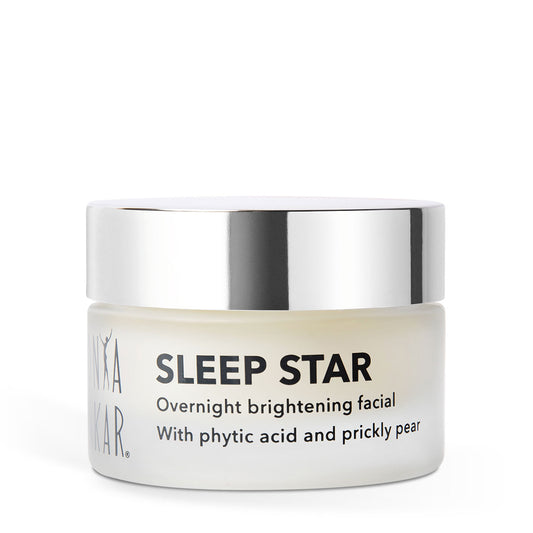
Sleep Star
Regular price $90.00 USDRegular priceUnit price per -
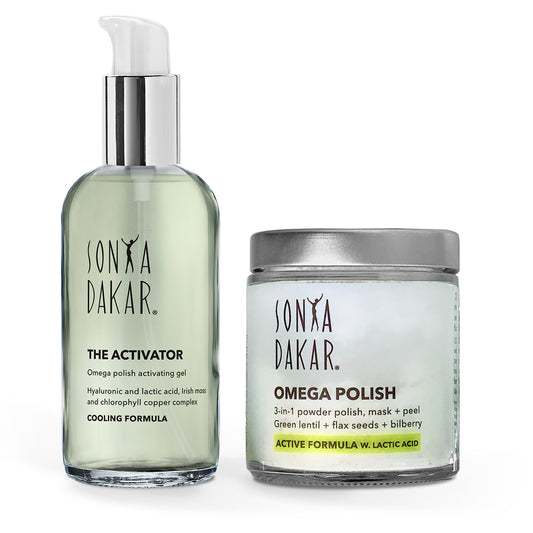
Omega Polish and Activator Duo
Regular price From $25.00 USDRegular priceUnit price per -
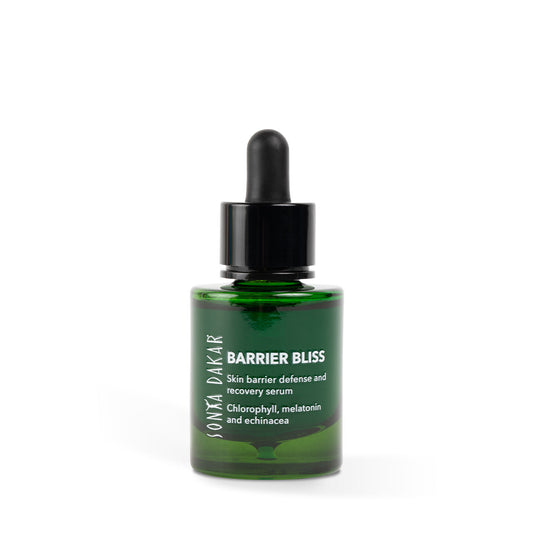
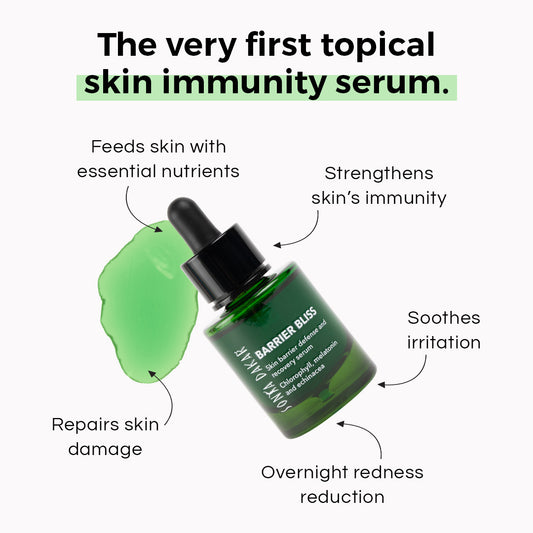
Barrier Bliss
Regular price $66.00 USDRegular priceUnit price per
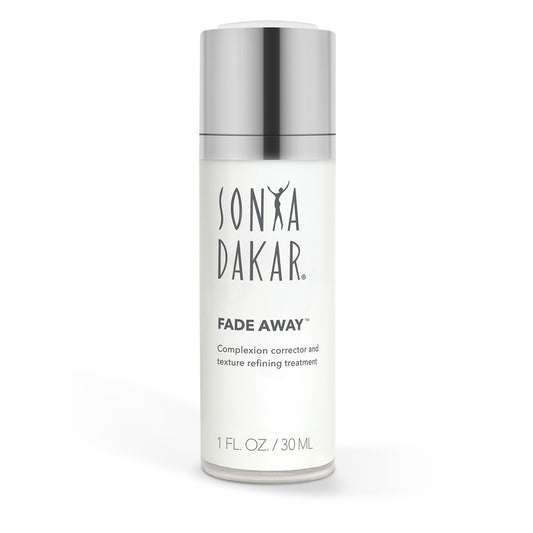
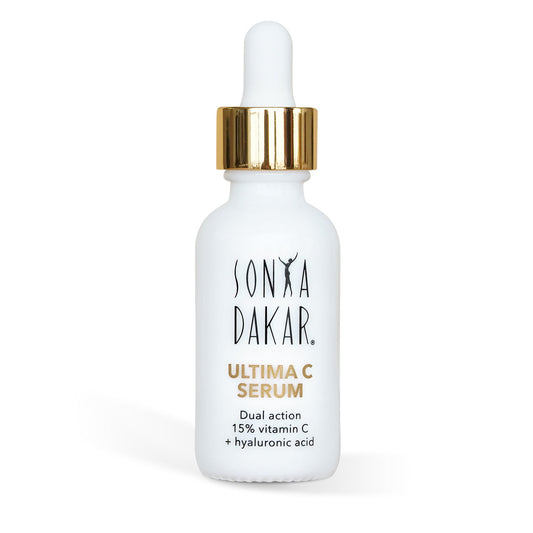
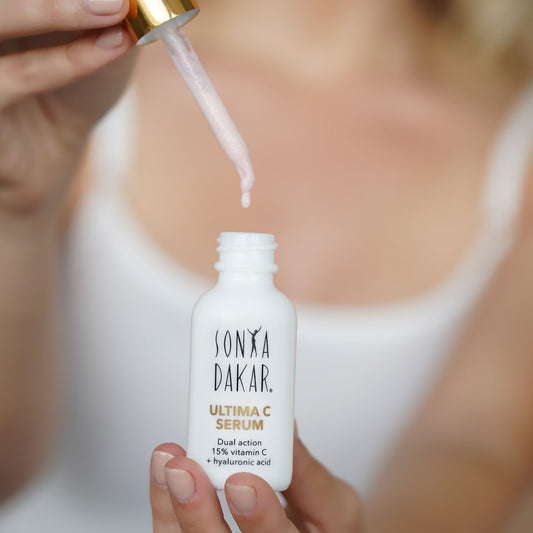
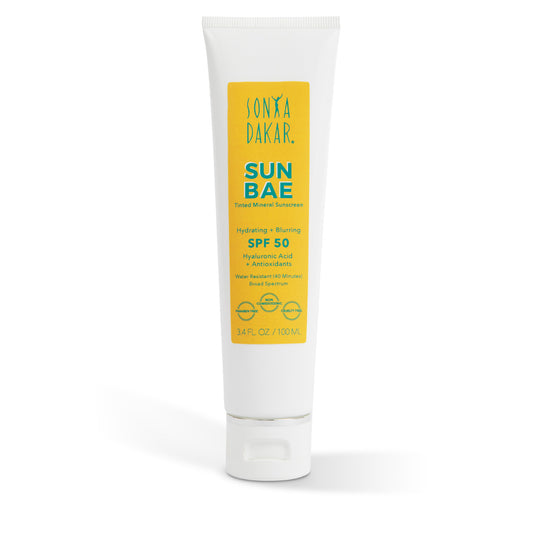



An effective dark spot treatment works on two fronts at once. Brightening actives to fade existing discoloration, and daily sun protection so new spots do not replace the ones you clear. Choose a corrector, pair it with sunscreen, and give it several weeks.
Why Dark Spots Are Slower to Fade Than Anything Else
Hydration shows in days. Skin texture shifts in weeks. Dark spots take months, and that gap is where most people give up.
The reason is depth. Pigment sits below the surface, and fading it means either clearing the top layer gradually or slowing the process that created it. Neither happens quickly.
The other reason is that most people are treating and creating at the same time. Every unprotected afternoon outside reactivates melanin production in the spots you are trying to fade. Without sunscreen, a dark spot corrector is running a race it cannot win.
What to Know Before You Start
- Sunscreen is not the supporting step here. It is half the treatment, and skipping it cancels out everything else.
- Give any topical treatment eight to twelve weeks. Retinoids can take three to six months to visibly improve dark spots.
- Introduce one active at a time. Layering several brightening ingredients at once usually produces irritation, and irritation creates more pigment.
- Exfoliation speeds things up by clearing pigmented surface cells, but over-exfoliating does more harm than good.
- New, changing, or irregular spots need a dermatologist rather than a serum.
What Causes Dark Spots
Sun Exposure and Sun Spots
UV exposure stimulates melanin production, which is the skin's defense mechanism against light. Repeat that over years and the response becomes uneven, leaving concentrated patches where the pigment stayed behind.
Sun spots usually appear on the face, hands, chest, and shoulders, which is simply where light lands most.
Post Inflammatory Hyperpigmentation and Post Acne Marks
Post inflammatory hyperpigmentation occurs after skin injury. A blemish, a scratch, a reaction to a product, or an aggressive treatment all leave the same signature: a flat brown or grey mark where the inflammation was.
Post-acne marks may be discoloration, such as post-inflammatory hyperpigmentation, rather than true scars. These marks often fade gradually, while true acne scars involve structural changes in the skin and may benefit from professional treatment.
Hormonal Changes and Melasma
Hormonal changes can trigger melasma, which appears as larger symmetrical patches rather than distinct spots, often across the cheeks, forehead, or upper lip. Pregnancy and oral contraceptives are common triggers.
Melasma is more stubborn than other skin discoloration and more likely to return. It responds better to consistent management than to aggressive treatment.
Age Spots and Cumulative Skin Damage
Aging increases the likelihood of developing sun spots, and age spots are largely the accumulated record of decades of light exposure rather than a function of age itself.
That distinction matters because it means the same protective habits still work, whenever you start.
How Melanin Overproduction Actually Works
Hyperpigmentation occurs when melanocytes produce excess melanin. Those cells sit at the base of the epidermis and respond to signals: UV light, inflammation, hormones.
Once triggered, they pass pigment upward into surrounding skin cells. Too much melanin in one area is what you see as a dark spot.
Melanin overproduction is not damage in itself. It is a protective response that has become uneven, which is why brown spots cluster where light or injury concentrated rather than spreading evenly across the face.
Topical treatments work at three points in that chain. They interrupt the signal that tells melanocytes to produce, they limit production itself, or they accelerate the turnover that carries pigmented cells to the surface and away. The most effective routines do more than one.
What Dermatologists Recommend for Dark Spots
Vitamin C for Melanin Production
Vitamin C is an antioxidant that brightens the look of skin while limiting melanin production, which is why it appears in most dark spot correctors on the market.
Ultima C Serum delivers 15% vitamin C in a stabilized form alongside hyaluronic acid, hibiscus, goji, green tea, and Kakadu plum. It is a morning product, and it pairs naturally with the sunscreen step that follows it.
Retinoids for Skin Cell Turnover
Retinoids increase skin cell turnover, moving pigmented cells toward the surface faster than they would travel on their own. They also work on fine lines at the same time, which is convenient given how often the two concerns arrive together.
Retinu uses hydroxypinacolone retinoate, a gentler retinoid ester, with peptides, ceramide 2, and squalane. Retinoids should be introduced gradually to avoid skin irritation, so start two or three nights a week.
Alpha Hydroxy Acid and Surface Exfoliation
Alpha hydroxy acids dissolve discolored surface cells and enhance the brightening effects of everything applied after them. Lactic acid is an alpha hydroxy acid commonly used to exfoliate the skin's surface and can be formulated at strengths suitable for addressing dullness and uneven-looking tone.
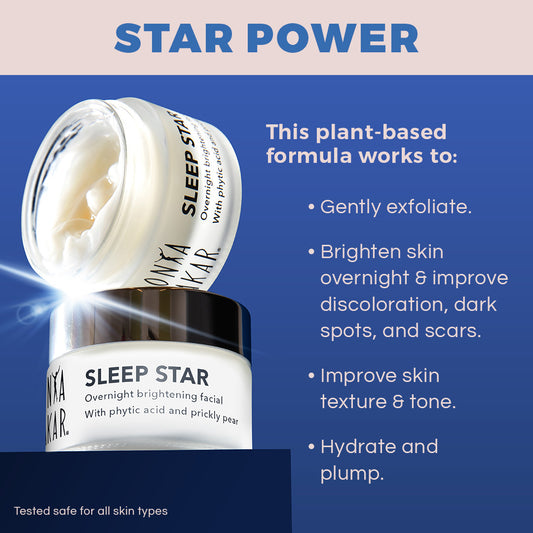
Sleep Star uses lactic acid with prickly pear overnight to refine skin tone and skin texture while you sleep.
Niacinamide and Barrier Support
Niacinamide fades the look of hyperpigmentation and stabilizes the skin barrier, which matters more here than it sounds. Compromised skin inflames easily, and inflammation is what creates pigment in the first place.
Barrier Bliss combines hemp seed oil and hyaluronic acid to keep skin comfortable enough to tolerate active ingredients over months rather than weeks.
What This Collection Leaves Out
The category also includes hydroquinone, kojic acid, azelaic acid, and tranexamic acid. None appears in these formulas.
Hydroquinone is a skin-lightening medication that is available only by prescription in the U.S. and should be used under the guidance of a healthcare professional. Kojic acid is used for treating hyperpigmentation but may irritate skin, and irritation on pigment-prone skin frequently backfires. Fade Away was built specifically without hydroquinone or tretinoin, using five gentler brightening agents instead.
If a dermatologist has prescribed one of those ingredients for you, follow that guidance. This collection is for people managing discoloration cosmetically.
Choosing a Dark Spot Corrector
Fade Away and Five Brightening Actives
Fade Away is the dedicated dark spot corrector here, and the only product in the line built solely to target dark spots.
It works through several mechanisms at once. Tetrahexyldecyl ascorbate is a stable vitamin C derivative. Nonapeptide-1 interrupts the signaling pathway that tells pigment cells to produce. Rumex occidentalis and daisy flower extract are botanical brighteners, and diacetyl boldine rounds out the complex.
It can be used during the daytime when paired with appropriate sun protection and works as a spot treatment or across the whole face , and suits sensitive skin at once-daily use. Initial results appear in as little as 14 days on the brand's own testing, though meaningful fading takes considerably longer.
Where a Vitamin C Serum Fits
Fade Away and Ultima C can be used together. Fade Away targets existing dark spots directly, while Ultima C works more broadly on overall skin tone and daily antioxidant defense.
If you are choosing one, choose based on the pattern. Distinct spots on otherwise even skin means Fade Away. General dullness with uneven skin tone means Ultima C.
Exfoliation for Dead Skin Cells and Smoother Skin
Clearing dead skin cells lets brightening actives reach where they need to work, and it removes pigmented cells that have already migrated upward.
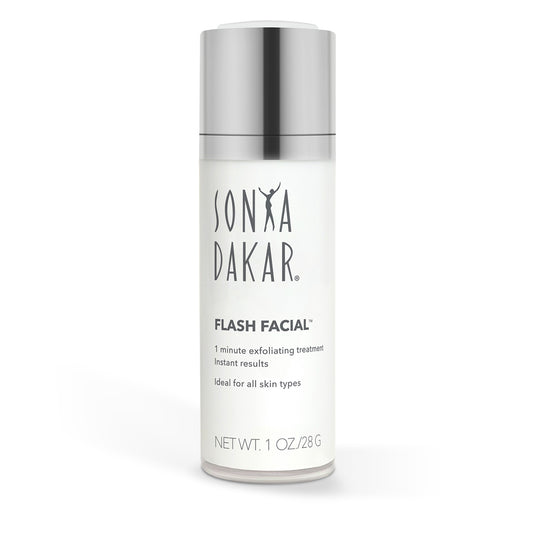
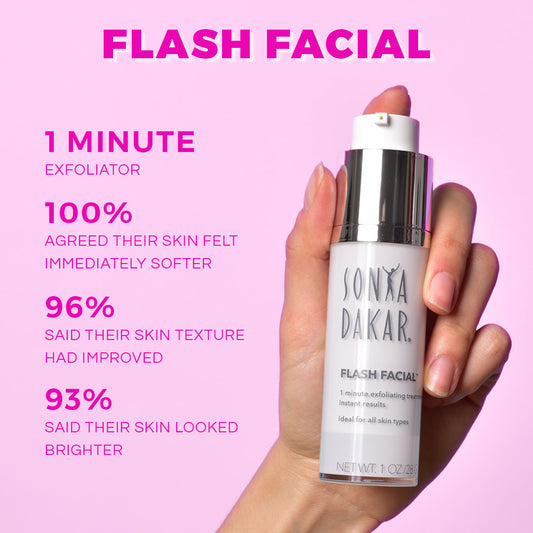
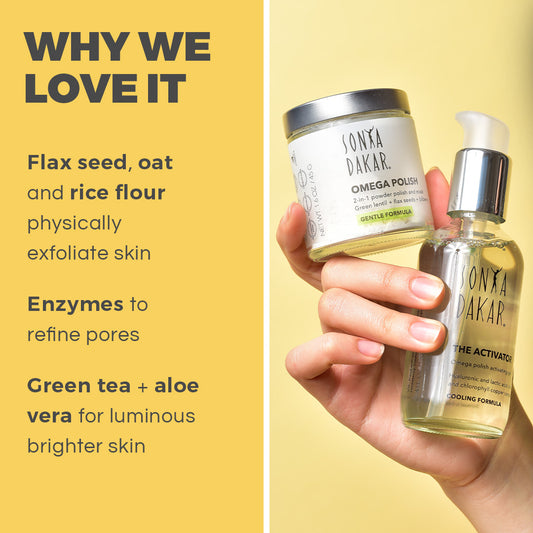
Flash Facial is a lactic acid exfoliating gel that works in about a minute. In the brand's blind study, 93% noticed brighter skin immediately after use and 96% said their skin texture noticeably improved. Omega Polish and Activator Duo is the gentler physical alternative for anyone who finds acids uncomfortable.
Twice a week is enough. More than that irritates, and irritated skin makes more pigment.
Exfoliation also delivers the fastest visible payoff in this category. Existing dark spots take months, but smoother skin and a more radiant complexion show up within a week or two, which is often what keeps people going long enough to see the pigment move.
Sunscreen Is the Treatment Plan
Broad Spectrum Sunscreen Every Day
Broad spectrum sunscreen is crucial to any plan for fading discoloration. Daily sun exposure reactivates melanin production and darken existing discoloration, making consistent sun protection essential while addressing dark spots.
Every day, not only sunny ones. Windows do not filter UVA.
Daily sun protection is foundational when addressing UV- and visible-light-related hyperpigmentation. It helps prevent existing discoloration from becoming darker and reduces the risk of additional sun-induced pigmentation. And it costs nothing extra once it is part of the routine.
Two Formats, One Job
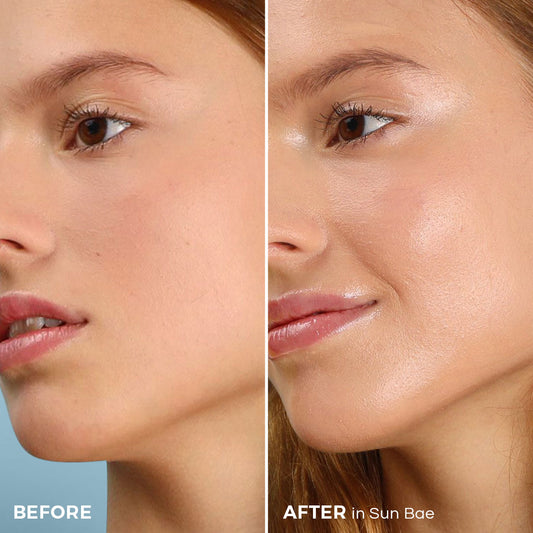
Sun Bae is a tinted mineral formula, and the tint does double duty by visually neutralizing the look of discoloration while the zinc oxide protects against what caused it.
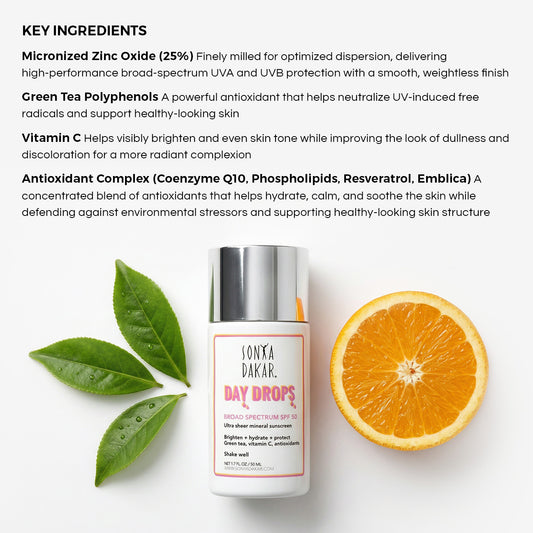
Day Drops is the untinted option, a mineral SPF 50 with 25% zinc oxide built alongside vitamin C, green tea polyphenols, resveratrol, and CoQ10. It behaves like a serum rather than a sunscreen, which is usually what determines whether people actually wear it.
Building the Routine
Morning
Cleanse, apply Ultima C to damp skin, follow with Fade Away on the spots, then moisturizer, then Sun Bae or Day Drops. Sunscreen goes last and gets reapplied if you are outside for long.
Evening
Cleanse, apply Fade Away again, then Retinu on retinoid nights or Sleep Star on the others. Barrier Bliss over the top whenever skin feels tight.
Do not use Retinu and Sleep Star on the same night. Alternating is what keeps this routine sustainable.
How Long Before Visible Results
Eight to twelve weeks for most topical treatments, longer for melasma, three to six months for retinoids to show their full effect on pigment.
Photograph your skin monthly in the same light. Dark spots fade too gradually to notice day to day, and the mirror will convince you nothing is happening when something is.
Several weeks in, expect the surrounding skin to look clearer before the spots themselves lighten. That sequence is normal. Brightening the whole complexion is easier than shifting concentrated pigment, and healthy skin makes the remaining spots look less pronounced even before they fade.
Dark Spots on Darker Skin Tones
Darker skin tones develop post inflammatory hyperpigmentation more readily and hold it longer, which changes the strategy rather than the goal.
Aggressive treatment is the wrong instinct here. Anything that causes slight redness or stinging risks creating new pigment while fading the old, and that trade rarely comes out ahead. Gentle actives used consistently outperform strong ones used cautiously.
Sun protection matters just as much on deeper complexions, and both sunscreens in this collection are formulated to blend without the white cast that makes many mineral formulas unwearable.
Choosing by Skin Types
Sensitive Skin
Fade Away is suitable for sensitive skin at once-daily application on the spots only. Skip Retinu initially, use Flash Facial once a week rather than twice, and keep Barrier Bliss in rotation.
Dry Skin
Dry skin shows discoloration more sharply because a dehydrated surface scatters light unevenly. Layer Barrier Bliss under everything and expect brightness to improve before the spots themselves do.
Acne Prone Skin and Post Acne Marks
Treat the breakouts first. New blemishes create new marks faster than any corrector fades the old ones. Once breakouts are controlled, Fade Away and Ultima C handle what they left behind.
When In Office Procedures Make Sense
Chemical Peel and Microdermabrasion
Chemical peels and microdermabrasion are resurfacing procedures that may help improve some forms of superficial pigmentation and uneven skin texture. Results vary, and multiple treatments may be needed.
Laser Treatments and Intense Pulsed Light
Laser therapy targets and breaks down excess melanin, and laser treatments can address several dark spots in one session. Intense pulsed light targets sun spots specifically and is often the first option suggested for sun damage.
These are not replacements for a routine. Pigment returns without daily protection, whatever the procedure cost.
Why DIY Does More Harm Than Good
Lemon juice, baking soda, and undiluted essential oils circulate constantly as home remedies for removing dark spots. Avoid harsh DIY treatments, which irritate skin and worsen hyperpigmentation.
The mechanism is straightforward. Irritation triggers inflammation, inflammation triggers melanin, and you end up with a larger, darker version of what you started with.
When to See a Dermatologist
New or irregular dark spots should be evaluated by a dermatologist, particularly anything that changes shape, color, or size, or that bleeds or fails to heal. That is a medical question, not a cosmetic one.
Melasma also benefits from professional guidance, since it responds differently than sun-induced discoloration and is prone to returning. Dermatologists recommend combining topical treatment with strict sun protection for it, and cosmetics support that plan rather than replace it.
Start With Two and Stay Consistent
If you are starting from nothing, start with Fade Away and a sunscreen. That pairing does the two things that matter: fading what is there and preventing what comes next.
Add Ultima C in the morning once that habit holds. Add Retinu at night after that, slowly.
Not sure which fits your skin? The Sonya Dakar Skin Experts team offers a free skin analysis and will match you to the right dark spot treatment. Or add those first two to the cart and commit to twelve weeks, which is genuinely what this concern requires.

CALIFORNIA CLEAN
Every Sonya Dakar Innovation is created to be natural, effective, and good for the environment. Learn more about our commitment to clean products and a green planet.