

-
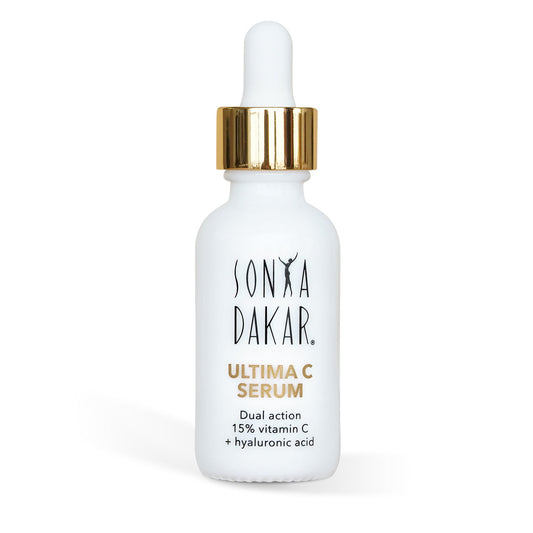
Ultima C Serum
Regular price $90.00 USDRegular priceUnit price per -
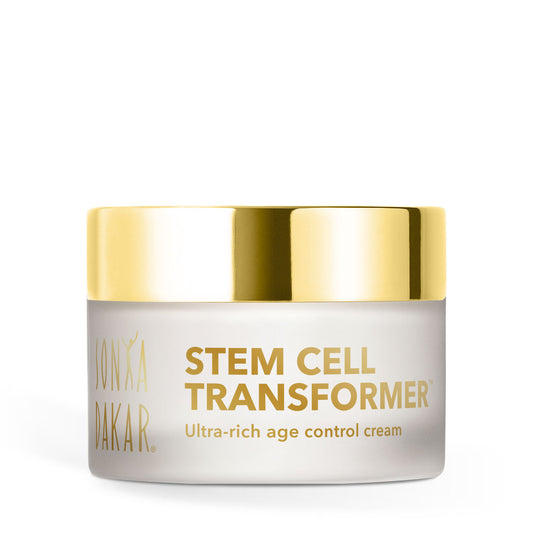
Stem Cell Transformer
Regular price $205.00 USDRegular priceUnit price per -
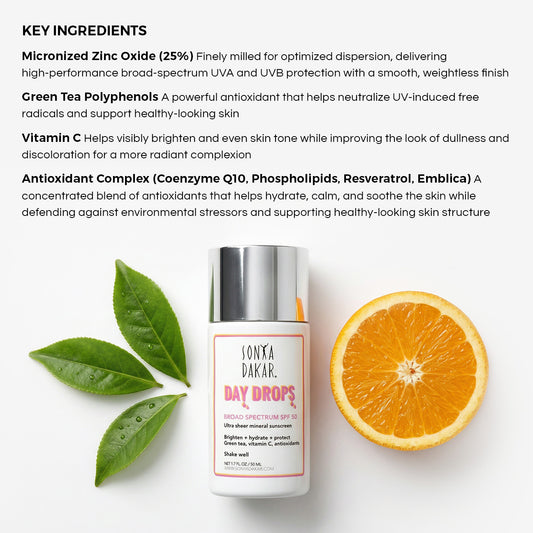
Day Drops SPF 50 Serum: Ultra-Sheer Mineral Sunscreen
Regular price $48.00 USDRegular priceUnit price per -
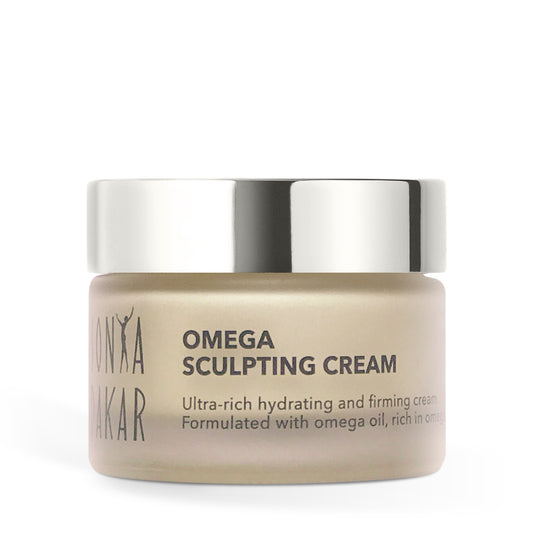
Omega Sculpting Cream
Regular price From $39.00 USDRegular priceUnit price per -
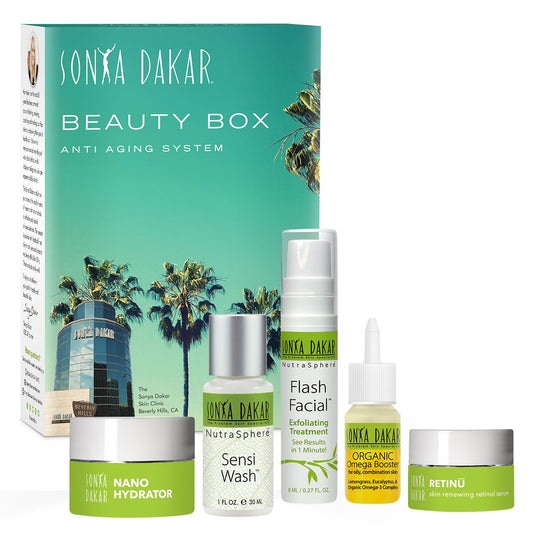
Beauty Box Anti-Aging System
Regular price $59.00 USDRegular priceUnit price per$89.00 USDSale price $59.00 USDSale -
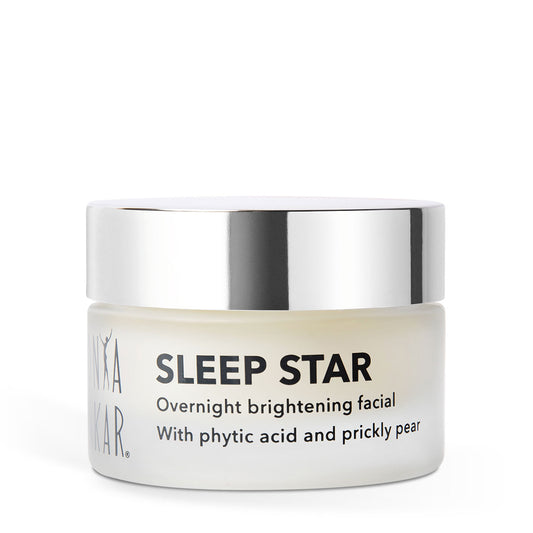
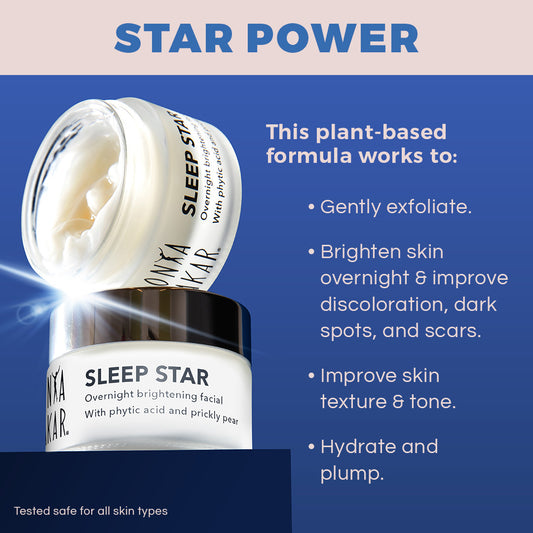
Sleep Star
Regular price $90.00 USDRegular priceUnit price per -
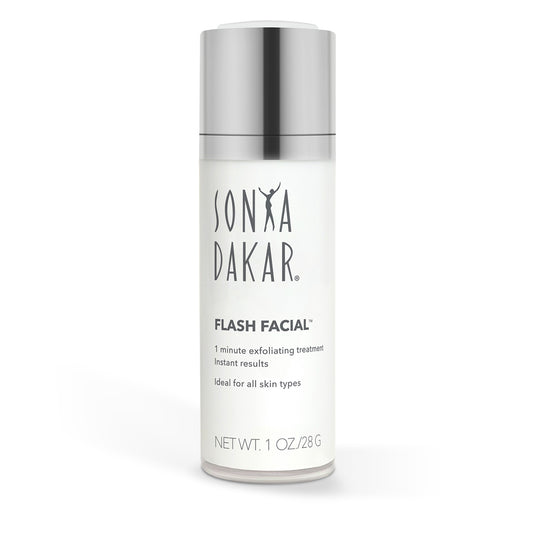
Flash Facial
Regular price From $60.00 USDRegular priceUnit price per -
Barrier Bliss
Regular price $66.00 USDRegular priceUnit price per -
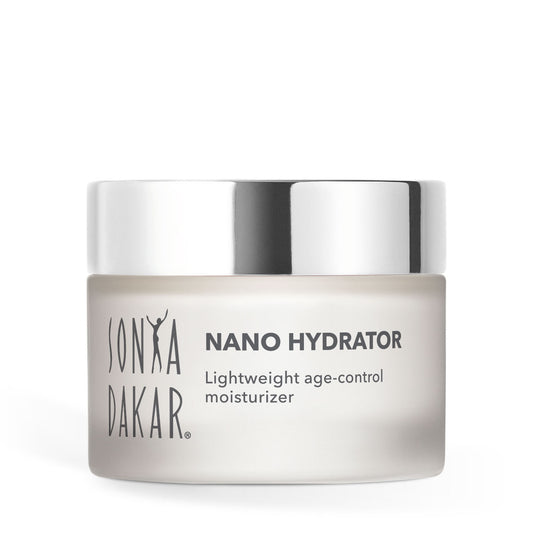
Nano Hydrator
Regular price From $35.00 USDRegular priceUnit price per -
Organic Omega Oil
Regular price From $59.00 USDRegular priceUnit price per





What Actually Changes in Your 40s
Most people notice it in the same order. Skin takes longer to bounce back after a late night. Makeup sits differently. A line that used to fade by lunchtime is still there at dinner.
Collagen and elastin production decreases through this decade, and skin cell turnover slows down alongside it. Those two changes compound. Less structural support underneath, and a slower rate of clearing dead skin cells from the surface, which is why skin looks both less firm and less bright than it did five years ago.
Hormonal shifts add a third variable. Skin hydration drops as oil production falls, and skin that was oily in your 20s often turns to combination or dry skin in your 40s without any change in routine.
None of this is a crisis and none of it happens overnight. But it does mean the routine needs to change, because a light hydrating serum that worked at 32 is not addressing what is happening at 45.
The good news is that this decade is when anti aging skincare delivers the most measurable return. Skin still responds well to actives, the changes are early enough to influence, and a well-built skin care routine now compounds over the next twenty years.
What to Know Before You Choose
- Retinoids and vitamin C are two well-studied categories that work through different mechanisms. Vitamin C is commonly used in the morning and retinoids at night, although they are not inherently incompatible.
- Hyaluronic acid delivers the fastest visible change, because hydrated skin creases less sharply. Plumping shows within days.
- Collagen loss is the underlying issue in this decade. Anything that supports collagen production is doing the structural work.
- Overusing powerful actives leads to irritation and dryness, which ages skin faster than the actives improve it. More is not better.
- Broad spectrum SPF determines whether any of it holds. Without it you are treating and undoing simultaneously.
Why a Facial Serum Rather Than a Cream
Serums are typically lightweight formulas designed to deliver targeted skincare ingredients, while moisturizers primarily hydrate and help support the skin barrier.
That difference matters more in your 40s than it did earlier. When the goal was hydration, a good cream was enough. When the goal is collagen production and cell turnover, you need actives at concentrations a moisturizer cannot deliver.
It also changes the order of your skin care routine. Serums go on first, directly after cleansing, while skin is still slightly damp. Anything applied over a rich cream is largely sitting on top of it.
The Active Ingredients That Matter Now
Retinol and Prescription Retinoids
Retinoids are the most studied category in anti aging skincare. Research has associated them with stimulating collagen production, improving skin texture, and increasing elasticity and firmness over sustained use.
They are also the most likely to cause irritation, which is where most people abandon them. A potent retinol used three nights a week for two years outperforms a stronger one used aggressively for six weeks and then dropped.
Retinu is built around that reality. It uses hydroxypinacolone retinoate, a gentler retinoid ester, alongside peptides, ceramide 2, and squalane so cell turnover accelerates without stripping the skin barrier. Tomato extract and resveratrol carry the antioxidant load.
Start two or three nights a week and build from there. Higher concentrations are not the goal; consistency is. If you need something stronger than an over-the-counter retinol serum, prescription retinoids exist and a board certified dermatologist can advise whether they suit your skin.
Vitamin C for Tone and Protection
Vitamin C is the morning counterpart. It supports collagen production, neutralizes free radical damage, and helps protect against the UV exposure that drives premature aging.
A vitamin C serum also addresses what most people in their 40s notice before the lines: uneven skin tone. Sun damage accumulated over two decades starts surfacing as dark spots and general dullness, and vitamin C is the most reliable topical answer to both.
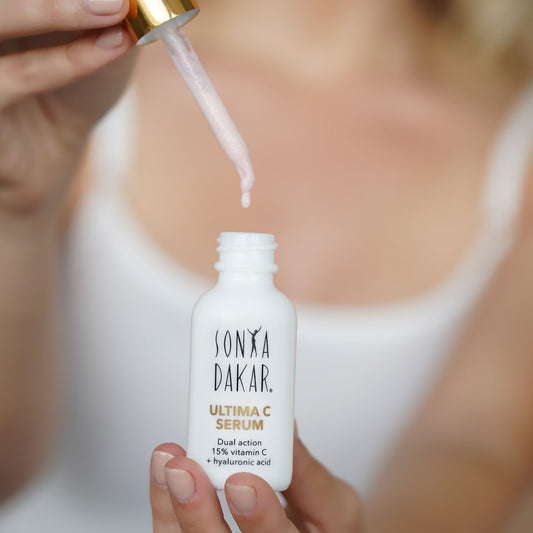
Ultima C Serum delivers 15% vitamin C in a stabilized form, paired with hyaluronic acid, hibiscus, goji, green tea, and Kakadu plum. That format suits skin that finds pure ascorbic acid too sharp, and it layers cleanly under sunscreen without pilling.
Apply vitamin C in the morning to clean, damp skin, before anything heavier. Used together, a vitamin C serum in the morning and a retinoid at night covers more ground than either does alone.
Peptides for Firmness and Skin Laxity
Peptides signal skin cells to produce collagen, and research has associated them with reduced fine lines and a firmer appearance. They also hydrate, which makes them gentler than retinoids and useful for anyone whose skin cannot tolerate a nightly active.
Skin laxity is the concern that separates a 40s routine from a 30s one. Fine lines are a surface issue. Sagging skin along the jawline and a general loss of definition are structural, and peptides are the ingredient class most directly aimed at them.
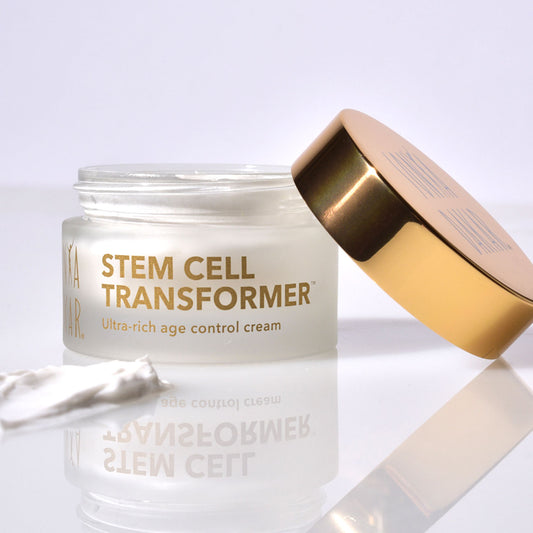
Stem Cell Transformer combines green apple stem cell extract with peptides, hyaluronic acid, and antioxidant oils from acai, buriti, and avocado. It is the richest formula here and suits dry skin and mature skin particularly well.
Omega Sculpting Cream pairs palmitoyl oligopeptide and palmitoyl tetrapeptide-7 with shea butter and an omega oil blend, and it is formulated for the face, neck, and chest.
A Hydrating Serum Is Not Optional Now
In your 30s, hydration was comfort. In your 40s it is structural, because dehydrated skin exaggerates every line you are trying to soften and undermines every active you layer over it.
A hydrating serum is also the step that makes an anti aging routine tolerable. Retinoids and acids both dry the skin, and adequate hydration is what allows you to keep using them long enough for the anti aging benefits to appear.
Hyaluronic Acid and Skin Hydration
Hyaluronic acid retains moisture and plumps the skin in a way that minimizes the appearance of fine lines. It holds up to 1,000 times its weight in water, and it is the single fastest visible change available in skincare.
The reason it matters more in your 40s is that skin hydration falls as oil production declines. A line sitting in dehydrated skin looks considerably deeper than the same line in hydrated skin, and a good portion of what people read as new wrinkles is actually dryness.
Hyaluronic acid runs through most of this collection. Ultima C carries it, SuperLift carries it, Stem Cell Transformer includes it among fourteen actives, and Barrier Bliss pairs it with hemp seed oil.
There is a technique to it. A hydrating serum built on hyaluronic acid works best on damp skin with something sealing it in. Hyaluronic acid helps attract and retain moisture and can be followed with a moisturizer to help maintain hydration.
Lactic Acid and Cell Turnover
Cell turnover slows measurably in this decade, which means dead skin cells linger at the surface longer than they used to. That buildup scatters light unevenly and is a large part of what reads as dull skin.
Alpha hydroxy acids clear it. Lactic acid is the gentlest of the group, and it improves both skin texture and skin tone by working at the surface rather than inside the pore.
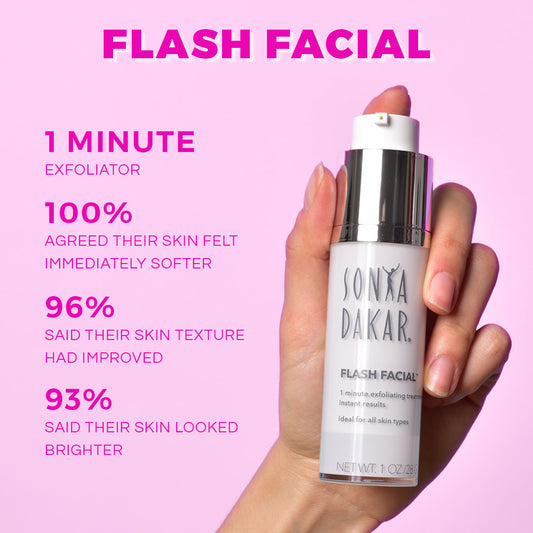
Sleep Star uses lactic acid with prickly pear overnight. Flash Facial is the faster option, a lactic acid gel that works in about a minute. In the brand's blind study, 96% said their skin texture noticeably improved and 93% noticed brighter skin immediately after use.
Twice a week is enough. Exfoliating more often irritates, and irritated skin in your 40s recovers more slowly than it did at 30.
Antioxidants and Environmental Defense
Vitamin E, resveratrol, green tea polyphenols, and CoQ10 all appear across these formulas to address free radical damage from pollution and daily light exposure.
Antioxidants are preventive rather than corrective. They will not undo what is already there, but they slow the rate at which new damage accumulates, which over a decade is worth more than most corrective products deliver in a month.
This is the part of an anti aging routine that feels like it is doing nothing and matters most. Prevention is invisible by definition, and it is still the highest-return anti aging work available.
Building an Anti Aging Skincare Routine for Your 40s
Morning
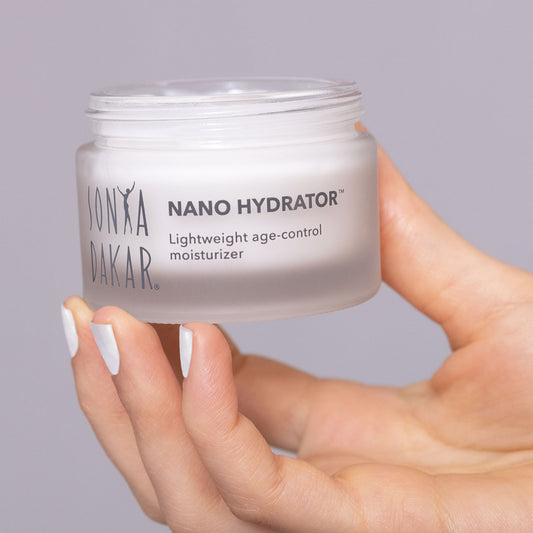
Cleanse, apply Ultima C to damp skin, follow with a moisturizer, then sunscreen. Nano Hydrator is the lightweight moisturizer for this step; Omega Sculpting Cream is the richer option for drier skin.
Vitamin C and sunscreen work as a pair rather than as alternatives. The antioxidant handles what gets through, the SPF handles the rest.
Evening
Cleanse, apply your treatment step, then moisturize. Retinu on retinoid nights, Stem Cell Transformer on the others, Sleep Star on the nights you want exfoliation instead.
Do not stack all three. Rotating is what keeps aging skin comfortable enough to stay consistent over months rather than weeks.
The SPF Moisturizer Question
An SPF moisturizer can provide effective sun protection when applied generously enough to achieve its labeled SPF. Whichever sunscreen format you choose, adequate and even application is essential.
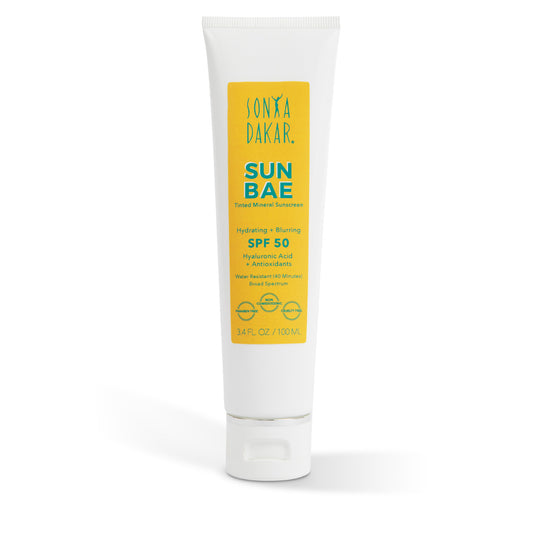
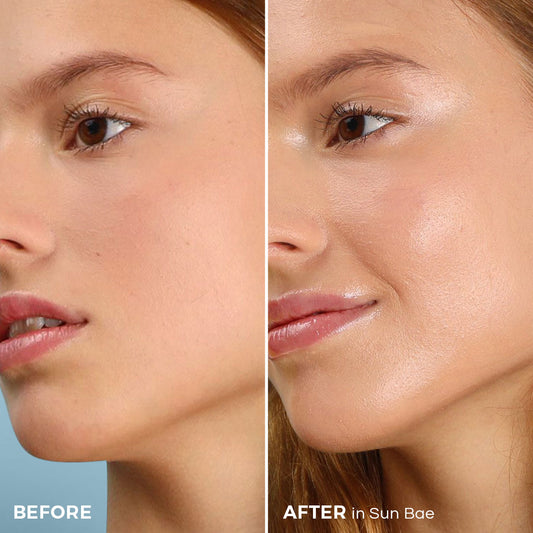
Day Drops is a mineral SPF 50 built with vitamin C, green tea polyphenols, resveratrol, and CoQ10, and it behaves like a serum rather than a sunscreen. Sun Bae is the tinted alternative, which gives light coverage over age spots while it protects.
Broad spectrum sunscreen is essential for preventing photoaging, and it is the highest-leverage step in any anti aging routine at any age. In your 40s it also protects the results you are paying for elsewhere.
Choosing by Skin Type
Dry Skin
Dry skin shows lines earliest because it holds less water at the surface. Layer a hydrating serum under something richer: Ultima C in the morning, Stem Cell Transformer at night, Barrier Bliss whenever skin feels tight, and Organic Omega Oil on the worst nights.
Dry skin is also more common in your 40s than it was previously, so a formula that felt heavy a decade ago may feel exactly right now.
Oily Skin
Oily skin ages too, and the mistake is treating the oil rather than the aging. Lighter textures, not fewer steps. Ultima C in the morning and Retinu at night is enough for most people with oily skin, with Nano Hydrator over the top.
Oily skin also tends to tolerate retinoids better, which is a genuine advantage in this decade.
Sensitive Skin
Sensitive skin can use most of this category with a slower entry. Retinu, Ultima C, and Stem Cell Transformer are all formulated for sensitive skin, but the pace matters more than the product.
Reactive skin does better with a short anti aging routine used consistently than a long one used cautiously, and sensitive skin in your 40s is more common than it was earlier because a thinner barrier tolerates less.
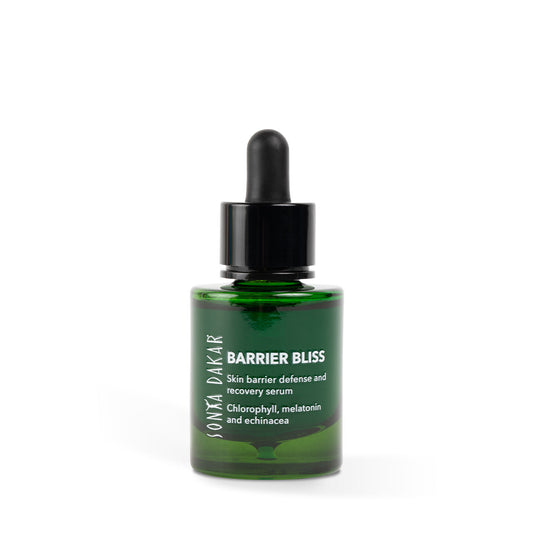
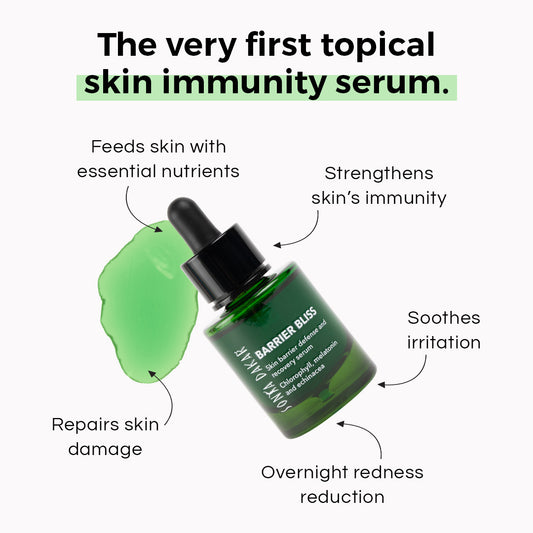
Start every third night. Apply moisturizer first as a buffer if you need one, then the active on top. Barrier Bliss keeps the skin barrier intact enough that everything else stays usable, and a compromised barrier is the most common reason a good routine gets abandoned.
Fragrance free formulas are generally the safer starting point for reactive skin. If you are troubleshooting persistent irritation, fragrance is the first variable to remove.
Mature Skin
Mature skin usually benefits from layering rather than choosing. Vitamin C in the morning, a retinoid or peptide treatment at night, and something rich sealing both in.
Mature skin is also drier as a rule, so the barrier step carries more weight than it did ten years ago.
Targeting Specific Concerns
Fine Lines and Crow's Feet
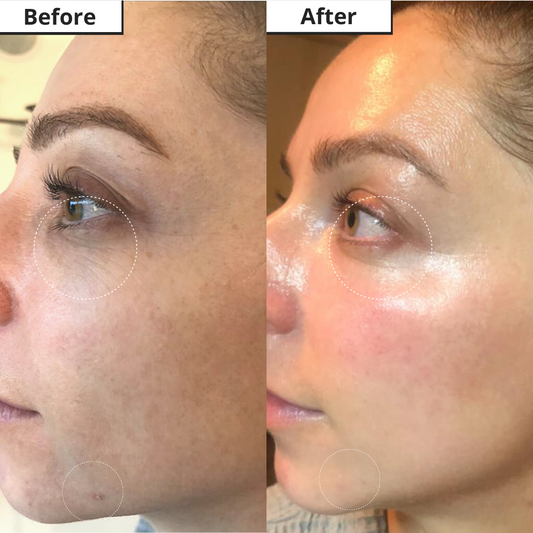
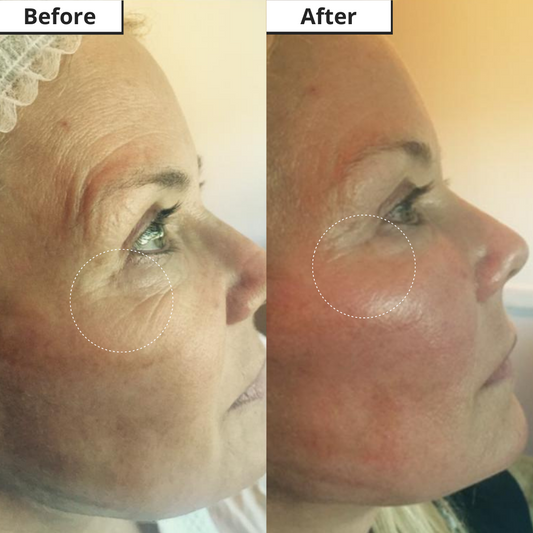
The skin around the eyes is thinner than the rest of the face and shows change first. Crow's feet are expression lines, which means they soften with hydration and renewal but never disappear entirely.
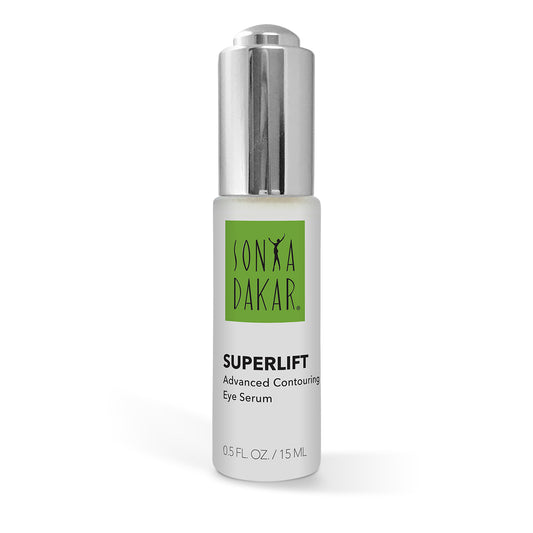
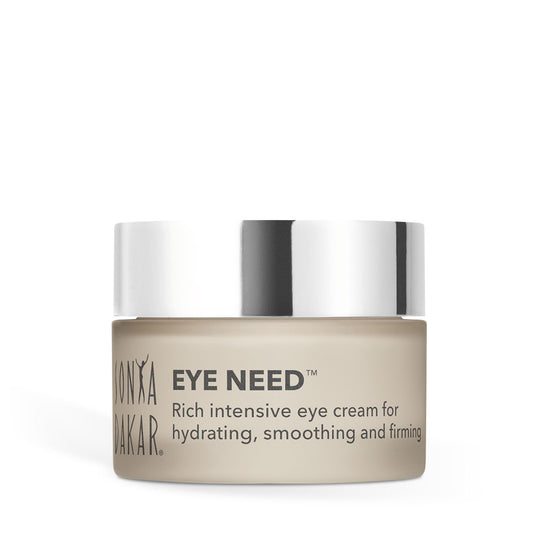
Eye Need is the dedicated eye cream, built on a nano apple stem cell complex with peptides, hyaluronic acid, shea butter oil, and resveratrol. SuperLift is the lighter serum alternative, using hyaluronic acid with a copper amino acid complex.
Pat both in gently from brow to cheekbone. Do not drag the skin.
Uneven Skin Tone and Dark Spots
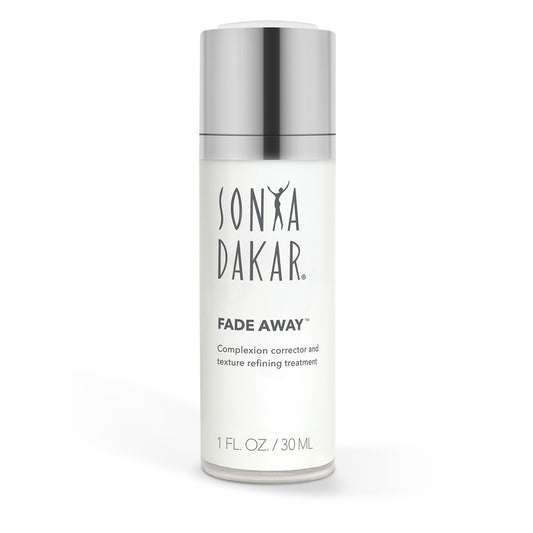
Two decades of sun exposure start showing up as pigment in this decade. Ultima C works on existing discoloration through daily use, and Fade Away is the targeted corrector for stubborn spots.
Pigment is slow. Give it three months before judging, and keep sunscreen constant throughout or you are fading and creating simultaneously. For more on this specifically, see our dark spot treatment collection.
Skin Texture and Roughness
Rough skin texture responds to the same combination that addresses everything else here: regular exfoliation to clear dead skin, a retinoid to accelerate turnover, and enough hydration that the newly exposed surface stays comfortable.
Skin texture is also the change most people notice first in photographs rather than mirrors, because texture shows under directional light in a way it does not under bathroom lighting.
What Results to Expect and When
Weeks one to three: hydration and radiance improve. This is the fast win, and it comes almost entirely from hyaluronic acid and exfoliation.
Weeks four to eight: skin texture starts to smooth and tone evens out. Research has associated retinoid use with measurable improvement in skin appearance over a twelve week period, which is roughly the window where change becomes visible rather than felt.
Weeks eight to twelve and beyond: the appearance of fine lines softens and firmness improves. Structural change is the slowest to arrive and the longest to last.
Photograph your skin every two weeks in the same light. Visible results at this pace are invisible day to day, and the mirror will convince you nothing is happening when something is.
Common Mistakes in Your 40s
Buying Products Instead of Building a Routine
An anti aging serum works because of what surrounds it. A retinoid without a moisturizer irritates. A vitamin C serum without sunscreen protects less than it should. Anti aging results come from a routine rather than from any single purchase.
Doing Too Much at Once
The most common error, and the one that sets people back furthest. New serum, new acid, new retinoid, all at once. When skin reacts, you cannot identify the cause, and you lose weeks recovering.
One product. Two weeks. Then the next.
Treating Aging Like an Emergency
The instinct at 40 is to escalate, using stronger actives at higher frequencies. Overusing powerful actives causes irritation and dryness, and inflamed skin looks older rather than younger.
Neglecting the Neck and Chest
The neck and décolleté age at the same rate as the face and receive a fraction of the attention. Extend every facial serum downward rather than stopping at the jawline.
Skipping Sunscreen on Overcast Days
UV reaches skin through cloud and glass. The aging process is driven far more by cumulative light exposure than by chronology, which is the part you can still influence.
When to See a Board Certified Dermatologist
Topical skin care improves how skin looks. It does not restructure it. If you are considering options for deep lines, significant skin laxity, or pigmentation that has not moved in six months, a board certified dermatologist can explain what procedures or prescription retinoids would add.
Persistent irritation is also worth a conversation. Skin that stays red or flaking after several weeks is telling you the routine is wrong for it, and pushing through is not a strategy.
Start Here and Build
If you are starting from nothing, begin with two: Ultima C in the morning and Day Drops over it. That pairing addresses tone, protects against further damage, and is the easiest habit to establish.
Add Retinu at night once the morning routine is automatic. If your skin runs dry or reactive, make Stem Cell Transformer the evening step instead and layer Barrier Bliss underneath.
The Beauty Box Anti-Aging System assembles the full routine if you would rather not build it piece by piece. For the broader category, our anti aging skincare products collection covers moisturizers and treatments alongside serums.
Not sure where your skin fits? The Sonya Dakar Skin Experts team offers a free skin analysis and will match you to the right formulas. Or add your first two to the cart and give them the twelve weeks they need to show you what they do.

CALIFORNIA CLEAN
Every Sonya Dakar Innovation is created to be natural, effective, and good for the environment. Learn more about our commitment to clean products and a green planet.