
-
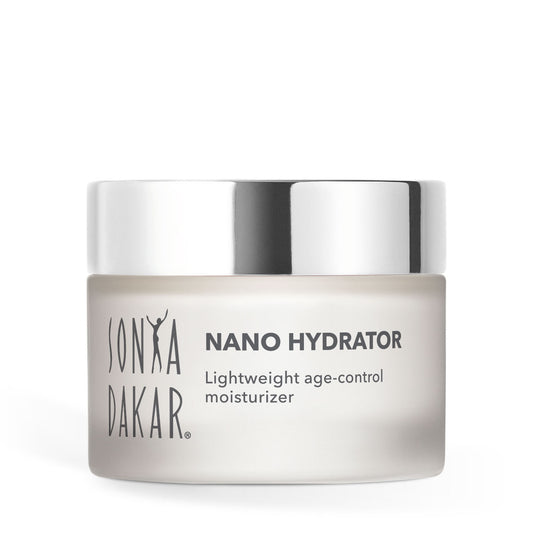
Nano Hydrator
Regular price From $35.00 USDRegular priceUnit price per -
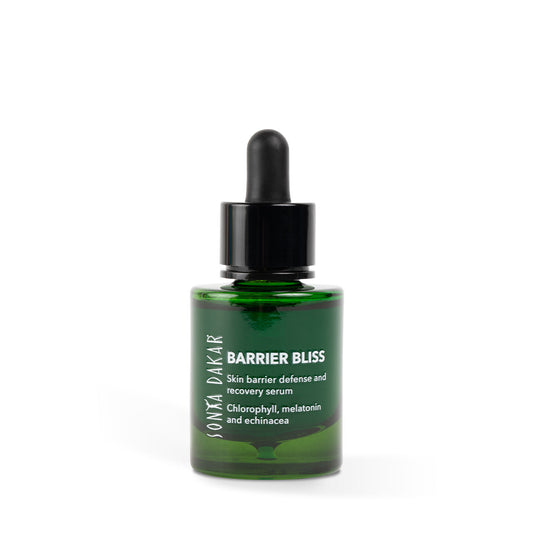
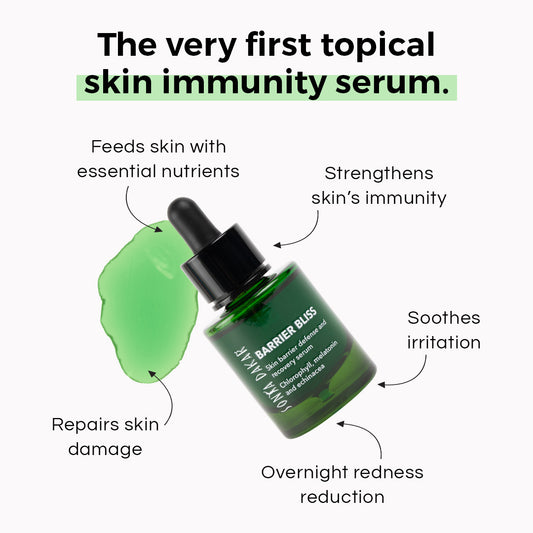
Barrier Bliss
Regular price $66.00 USDRegular priceUnit price per -
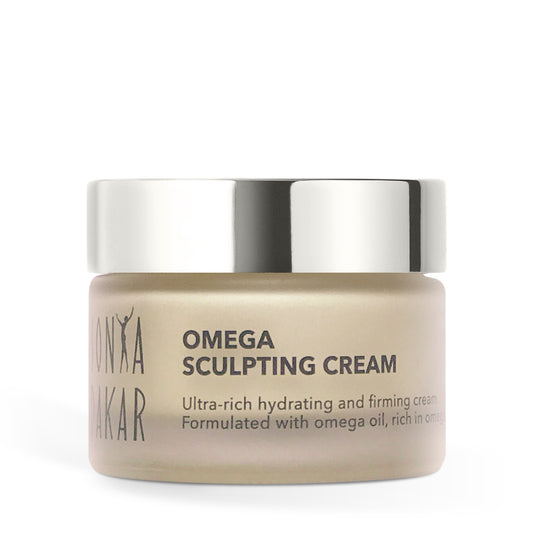
Omega Sculpting Cream
Regular price From $39.00 USDRegular priceUnit price per -
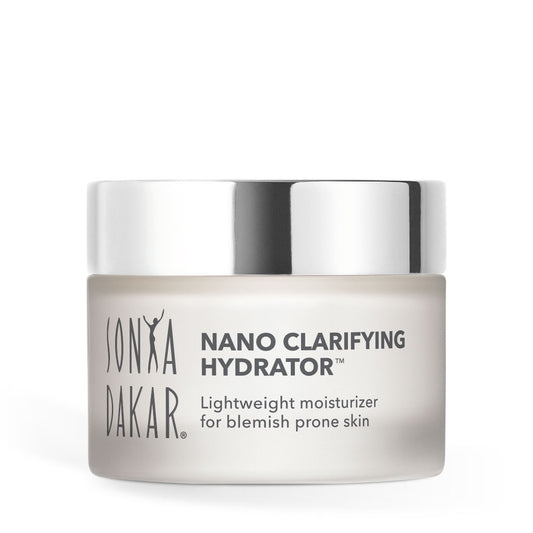
Nano Clarifying Hydrator
Regular price From $35.00 USDRegular priceUnit price per -
Blue Butterfly Balm
Regular price $88.00 USDRegular priceUnit price per -
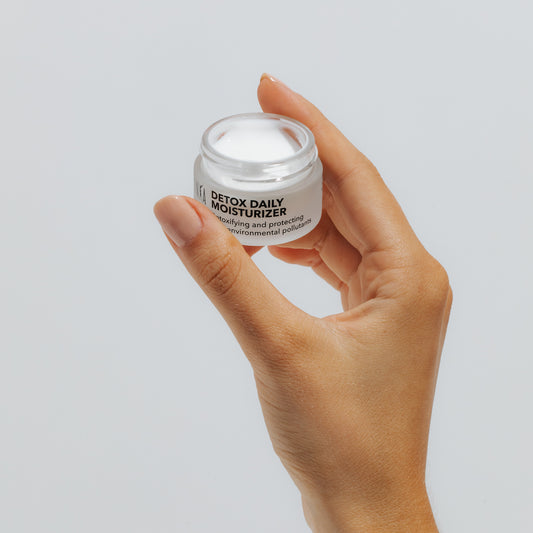
Detox Daily Moisturizer
Regular price From $35.00 USDRegular priceUnit price per -
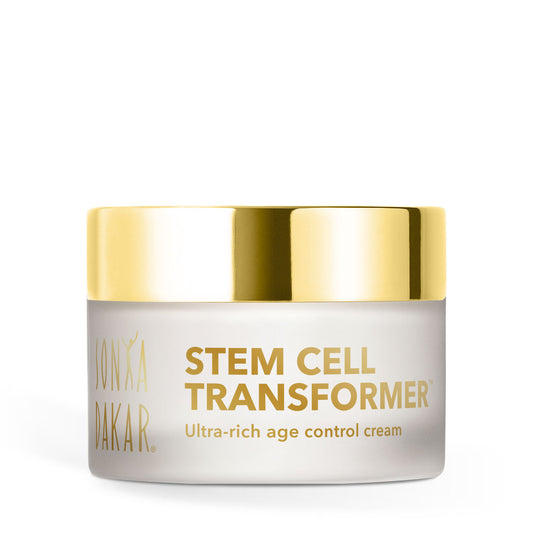
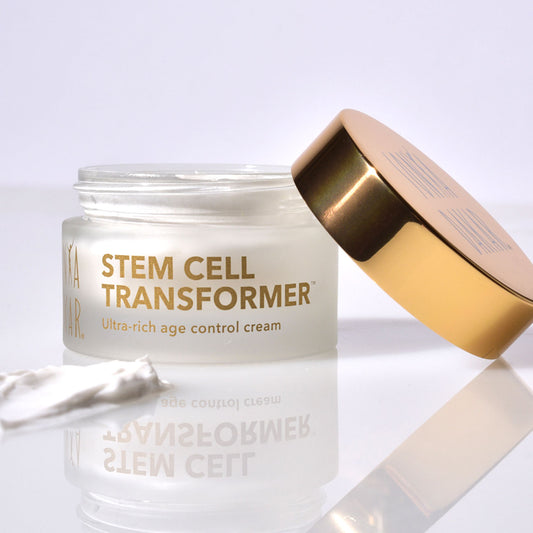
Stem Cell Transformer
Regular price $205.00 USDRegular priceUnit price per -
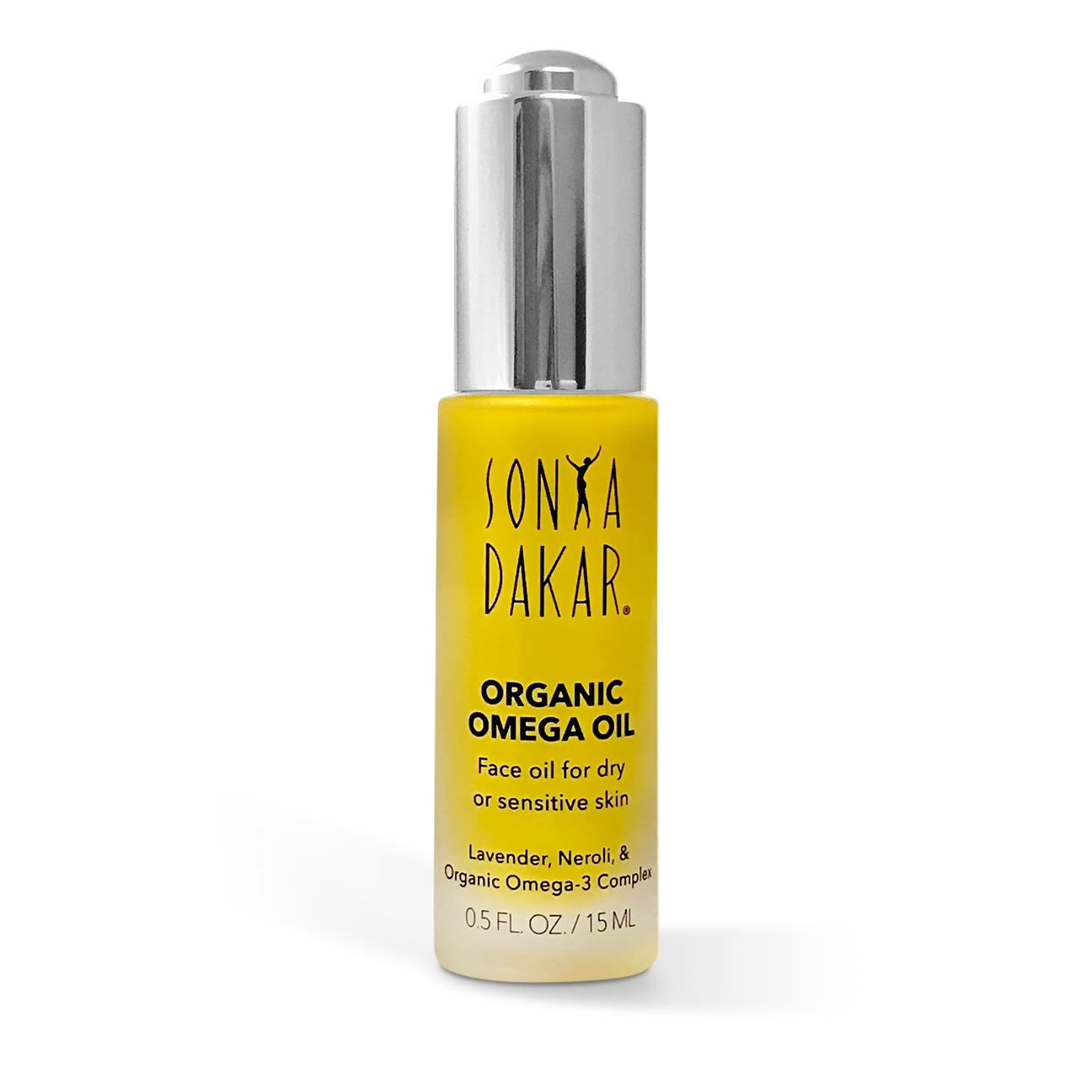
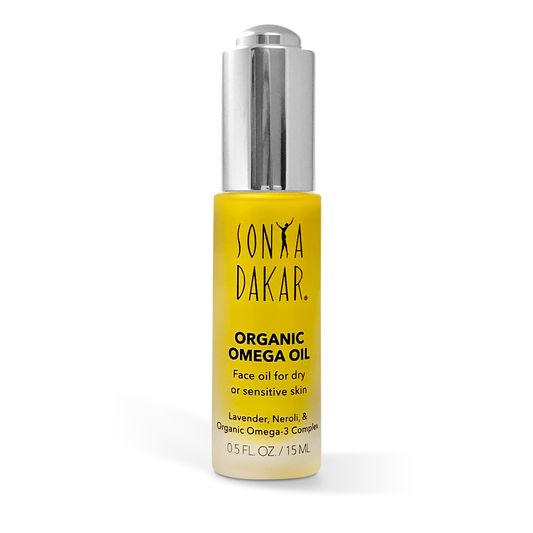
Organic Omega Oil
Regular price From $59.00 USDRegular priceUnit price per -
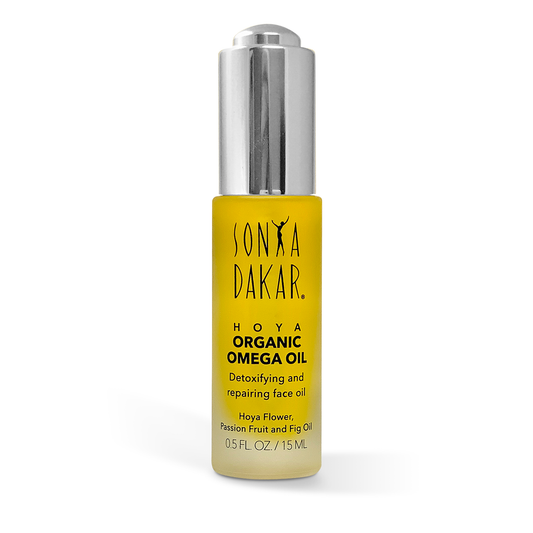
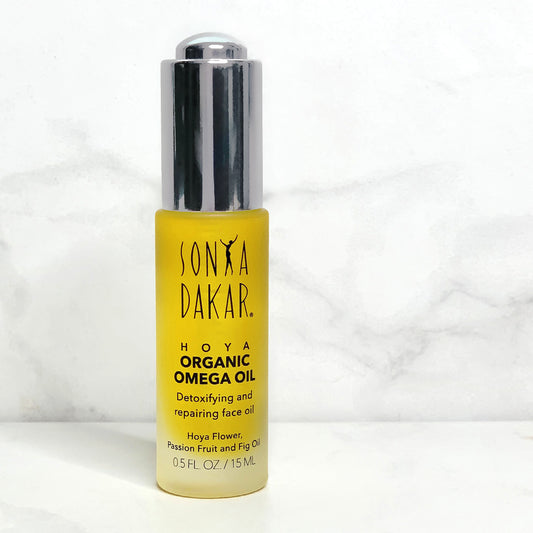
Hoya Organic Omega Oil
Regular price $69.00 USDRegular priceUnit price per -
Beauty Box Sensitive Skin System
Regular price $59.00 USDRegular priceUnit price per$89.00 USDSale price $59.00 USDSale

Hydration and Moisture Are Not the Same Thing
This distinction explains most moisturizer disappointment, and almost nobody makes it clearly.
Hydration means water in the skin. Moisture means oil holding that water in place. Dehydrated skin lacks water and can happen to any skin type, including oily skin. Dry skin lacks oil and is a skin type you keep for life.
A hydrating moisturizer needs to do both jobs, and the ratio depends on which one your skin is short of. Someone with oily skin who buys a rich cream gets shine without relief. Someone with dry skin who buys a water-based gel feels tight again by noon.
Finding the right moisturizer means matching your skin's biological needs to a formulation, which sounds clinical but comes down to a simple question. Does your skin feel tight, or does it look flaky? Tight means you need water. Flaky means you need oil. Both means you need a formula that carries each.
What to Know Before You Choose
- Apply moisturizer twice daily, on slightly damp skin, after cleansing and any hydrating serums.
- A nickel-sized amount covers the whole face. More does not absorb faster.
- Match texture to skin type. Lighter formulas suit oily and acne prone skin; thicker creams suit dry skin.
- Fragrance free is the safer default for sensitive skin and eczema prone skin.
- Give any new moisturizer two weeks. Barrier changes take that long to show.
The Three Ingredient Types Every Moisturizer Balances
Humectants: Hyaluronic Acid and Glycerin Draw Moisture In
Humectants draw moisture from the air and from deeper skin layers up to the surface. Hyaluronic acid and glycerin are the two that matter most.
Hyaluronic acid balances oil and water in the skin and holds up to 1,000 times its weight in water. Glycerin is a humectant that pulls water into the skin through a simpler mechanism, and moisturizers combining both boost hydration more than either does alone.
There is a catch worth knowing. Humectants applied to a dry face with nothing sealing them can pull water out of the skin rather than into it. Apply to damp skin and always layer something over the top.
Emollients Smooth the Surface
Emollients fill in the microscopic cracks between skin cells, which is what produces the immediate smoothness you feel after applying a good cream. Fatty acids and plant oils do this work.
They are why a moisturizer feels good on contact. That sensation is real rather than cosmetic, since a smoother surface reflects light more evenly and reads as healthier skin.
Occlusives Seal It All In
Occlusives create a protective seal over the skin to prevent moisture loss. They add nothing themselves, which is why an occlusive applied to dry skin traps dryness rather than fixing it.
Shea butter and facial oils do this job. Applied over a damp, hydrated face they hold everything in place for hours.
Mixing all three enhances a moisturizer's effectiveness, and the best formulas balance them for a specific skin type rather than trying to serve everyone.
Ceramides and the Skin Barrier
Ceramides are essential for repairing the skin barrier, and they prevent moisture loss rather than adding hydration. A healthy skin barrier is what allows skin to hold water on its own instead of depending entirely on what you apply.
Hydrated skin supports a stronger skin barrier, and a stronger barrier keeps skin hydrated. That loop runs in both directions, which is why barrier repair produces results that outlast the product.
Choosing the Best Moisturizer by Skin Type
A Gel Cream for Oily Skin
Oily skin benefits from water-based gels and light fluids rather than heavy creams. It usually has enough oil and not enough water, so the job is hydration without adding to what the skin already produces.
Skipping moisturizer entirely is the most common error here. Dehydrated skin produces more oil to compensate, which makes shine worse rather than better over a few weeks.
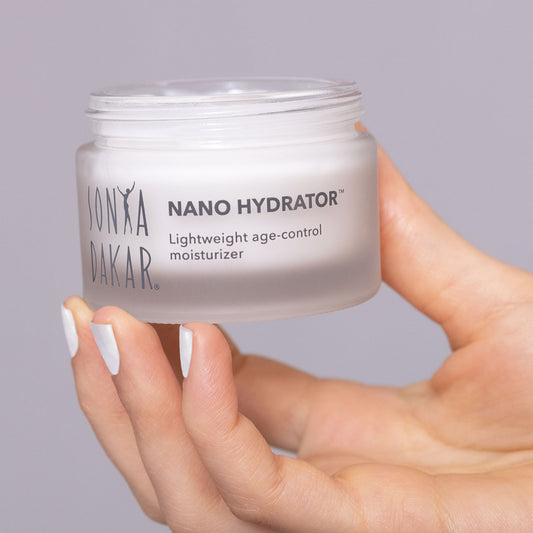
Nano Hydrator has the lightest texture in the range and absorbs quickly without residue. It uses nano-delivery to carry green apple stem cells, sodium hyaluronate, and antioxidant oils of acai, jojoba, and avocado into the skin, and it is 98% natural.
Choose oil free or non comedogenic formulas, and see our best skincare products for oily skin collection for the full routine.
Face Moisturizer for Acne Prone Skin
Acne prone skin needs hydration as much as any other skin type. Most of the dryness and irritation people experience while treating breakouts comes from skipping this step rather than from the treatment itself.
Non comedogenic moisturizers reduce the chance of clogged pores, and lighter textures reduce it further. Heavy occlusives can clog pores that are already congested.
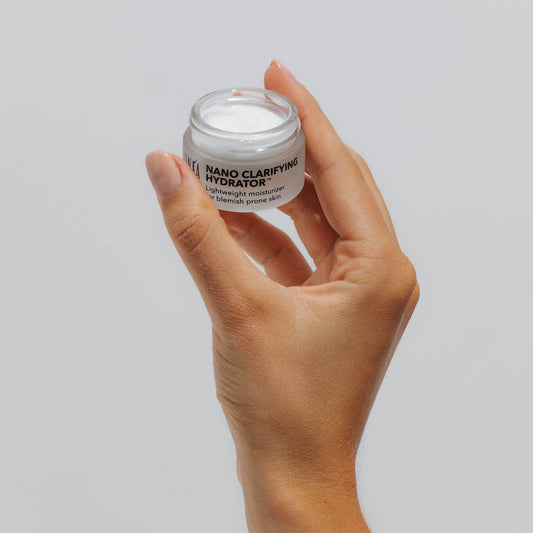
Nano Clarifying Hydrator is built for this group, using sebum regulators and probiotics to hydrate without weight. Our acne skincare products collection covers the rest of the routine.
Non comedogenic is not a regulated term, so treat it as a useful signal rather than a guarantee. Your own skin over three weeks is the real test.
A Rich Face Cream for Dry Skin
Dry skin requires rich creams containing ceramides, cholesterol, and fatty acids. Oil-based moisturizers provide more lasting hydration than lighter lotions here, and this is the one skin type where reaching for the heaviest option in the range is usually correct.
Omega Sculpting Cream is the richest formula available, with shea butter and an omega oil blend of flax seed, jojoba, and buriti for the occlusive work, plus sodium hyaluronate and peptides underneath. It has a genuinely thick texture and it is formulated for the face, neck, and chest.
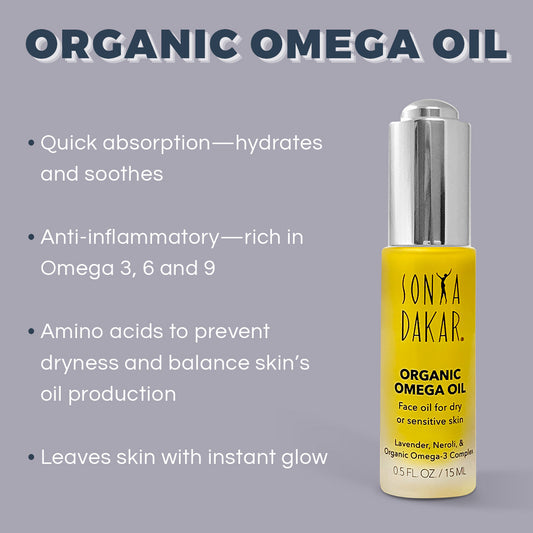
For excessively dry skin, layer rather than choose. Barrier Bliss underneath, a rich cream over the top, and Organic Omega Oil as the last drop on the nights skin feels worst.
Seasonal dryness is real. A formula that works in August often falls short in January, and keeping two weights on hand is more practical than searching for one that works year round.
Moisturizer for Combination Skin
Combination skin should look for standard lotions or lightweight gel creams. It is oily through the T zone and normal to dry elsewhere, which makes any single product a compromise by definition.
Two approaches work. Use one lightweight formula everywhere and add something richer only on the dry spots, or accept slightly more shine at the center in exchange for comfort on the cheeks. Nano Hydrator suits the first approach.
Combination skin also shifts seasonally more than other skin types, so adjust the weight rather than swapping the whole routine.
Fragrance Free Options for Sensitive Skin
Sensitive skin needs soothing, fragrance free formulas with barrier-supporting ingredients. Fragrance is among the most common causes of contact irritation, and it is the first thing to remove when troubleshooting persistent redness or itchy skin.
Barrier Bliss pairs hemp seed oil with hyaluronic acid to rebuild comfort without heaviness. It is the formula most reactive skin should start with, and it works underneath almost anything else.
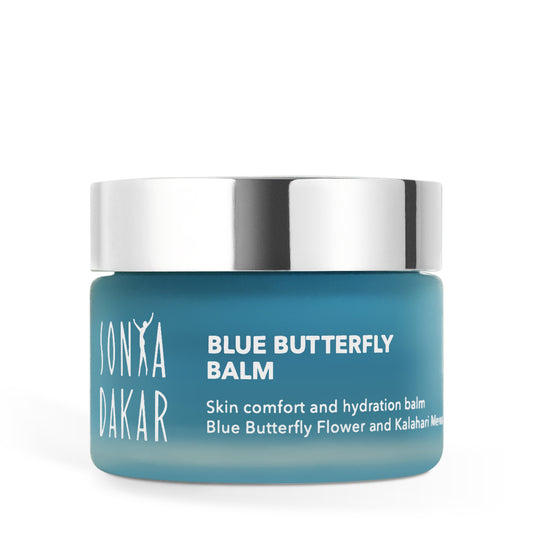
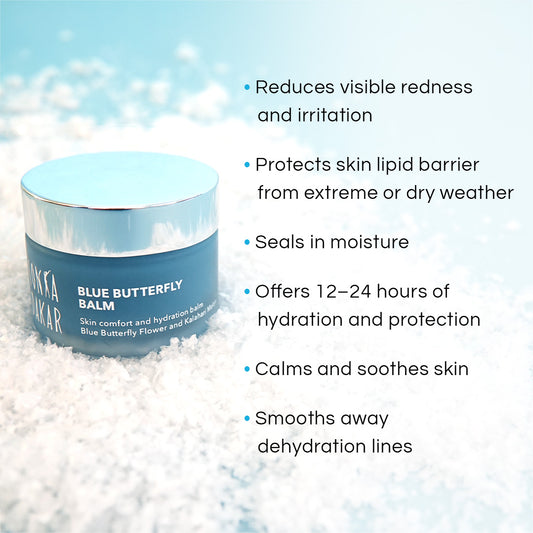
Blue Butterfly Balm is the richer option for irritated skin that needs more, combining butterfly pea flower with Kalahari melon seed oil, shea butter, and vitamin E. It carries botanical essential oils, so patch test on your inner arm for a few days if you know you react to fragranced formulas.
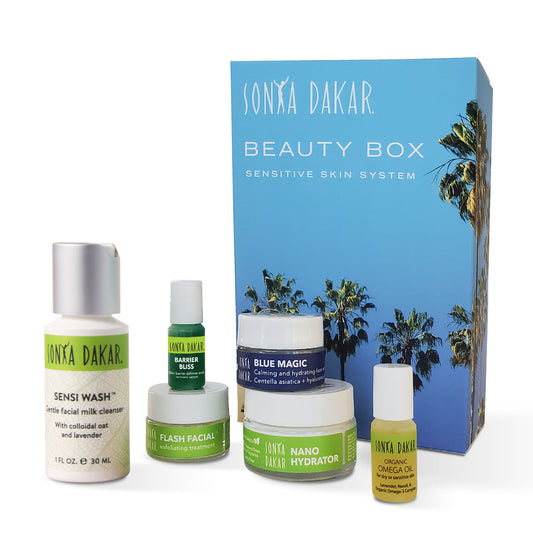
The Beauty Box Sensitive Skin System assembles the gentler formulas, and our skincare products for redness collection goes deeper.
Eczema Prone Skin and Flaky Skin
Eczema is a medical skin condition rather than a cosmetic one, and it is not treated by moisturizer. What a good moisturizer does is support the barrier between flare ups and keep skin comfortable enough that the condition is more manageable.
Fragrance free formulas with a rich consistency and soothing ingredients are the right category. Apply immediately after washing while skin is still damp, and reapply as often as needed rather than on a schedule.
Anything beyond that belongs with a board certified dermatologist.
Hydration on Brown Skin
Dryness reads differently on brown skin, often showing as an ashy or grey cast rather than obvious flaking, which makes it easier to miss and easier to under-treat.
Post-inflammatory hyperpigmentation is also more pronounced on deeper skin tones, so anything causing irritation risks leaving marks that outlast the dryness. Gentle formulas used consistently outperform stronger ones used cautiously, and a well-hydrated barrier is the best protection against that cycle.
How to Apply Moisturizer Properly
Twice Daily on Damp Skin
Apply moisturizer twice daily, morning and night, while skin is still slightly damp from cleansing. The window is about a minute, and using it traps water that would otherwise evaporate.
Use light upward and outward strokes, and extend everything down the neck and décolleté.
Where It Sits in Your Skin Care Routine
Lighter products before heavier ones. Cleanser, toner, serum, moisturizer, then oil or sunscreen depending on the time of day.
Apply moisturizer after cleansing and after any hydrating serums, since a serum layered over a cream is mostly sitting on top of it. Organic Hoya Omega Booster can be mixed directly into your moisturizer when skin wants more support without another step.
A Nighttime Moisturizer Can Be Heavier
Skin loses more water overnight and there is no makeup or sunscreen to accommodate, which makes evening the right time for a richer texture.
Stem Cell Transformer doubles as a nighttime moisturizer, built on green apple stem cell extract with peptides, hyaluronic acid, and antioxidant oils.
Moisturizer Does Not Replace Sunscreen
Most moisturizers with SPF are applied too thinly to deliver the protection on the label. Use a dedicated sunscreen over your moisturizer instead, since sun exposure causes more visible skin damage than dryness ever will.
Day Drops is a mineral SPF 50 that behaves like a serum, and Sun Bae is the tinted option. Both layer cleanly over any moisturizer here.
Common Mistakes
Skipping It Because Your Skin Is Oily
Still the most common error in the category, and it makes shine worse rather than better.
Applying to Bone-Dry Skin
Moisturizer applied several minutes after cleansing works noticeably less well than moisturizer applied while skin is still damp.
Using Too Much
A nickel-sized amount covers the face. Excess sits on the surface, feels a bit greasy, and ends up on your pillow.
Judging Too Quickly
A moisturizer that feels lovely on day one may be doing little by week three, and one that feels unremarkable at first can change how skin behaves over a month. Consistent use over two weeks is the honest test.
When to See a Board Certified Dermatologist
Persistent dryness, flaking, or irritation that does not improve with a barrier repair formula over several weeks deserves professional attention. Eczema in particular responds to treatment that moisturizers support rather than replace.
Any new, changing, or irregular spot on the skin is a separate question entirely and should be evaluated rather than moisturized. That is a matter for a dermatologist, not a skincare routine.
Find the Formula That Fits
If you want one recommendation, it is Nano Hydrator. It suits normal, combination, and mildly dry skin, absorbs quickly, and layers beautifully under sunscreen or makeup.
If your skin runs dry, choose Omega Sculpting Cream and layer Barrier Bliss underneath. If it breaks out, choose Nano Clarifying Hydrator. If it reacts easily, start with Barrier Bliss alone and add nothing else for two weeks.
Not sure which fits? The Sonya Dakar Skin Experts team offers a free skin analysis and will match you to the right formula. Or add one to the cart and give it two weeks.
Frequently Asked Questions
What is the difference between hydrating and moisturizing?
Hydrating means adding water to the skin, usually through humectants like hyaluronic acid and glycerin. Moisturizing means sealing that water in with emollients and occlusives. A good hydrating moisturizer does both, and the balance between them should match whether your skin lacks water, oil, or both.
Should I moisturize if I have oily skin?
Yes. Oily skin is frequently dehydrated, and skipping moisturizer prompts the skin to produce more oil to compensate. Use a lightweight gel or fluid rather than a rich cream, and choose a non comedogenic formula.
How much moisturizer should I use?
A nickel-sized amount for the whole face. Richer creams need slightly more across the cheeks where dryness usually concentrates. Applying more than that does not increase absorption; it just sits on the surface.
Can I use a hydrating serum and a moisturizer together?
Yes, and it is usually the better approach. Apply the serum first to damp skin, then the moisturizer over the top to seal it in. A hyaluronic acid serum without a moisturizer over it can leave skin feeling tighter rather than more hydrated.
Is fragrance free always better?
Not for everyone, but it is the safer starting point for sensitive skin, eczema prone skin, and anyone troubleshooting persistent irritation. If your skin has never reacted to fragranced products, botanical formulas will likely suit you well.
How long before a moisturizer makes a difference?
Comfort improves immediately. Barrier changes take about two weeks, and skin that has been dry or compromised for months needs longer. Judge a moisturizer at two weeks rather than two days.

CALIFORNIA CLEAN
Every Sonya Dakar Innovation is created to be natural, effective, and good for the environment. Learn more about our commitment to clean products and a green planet.