

-
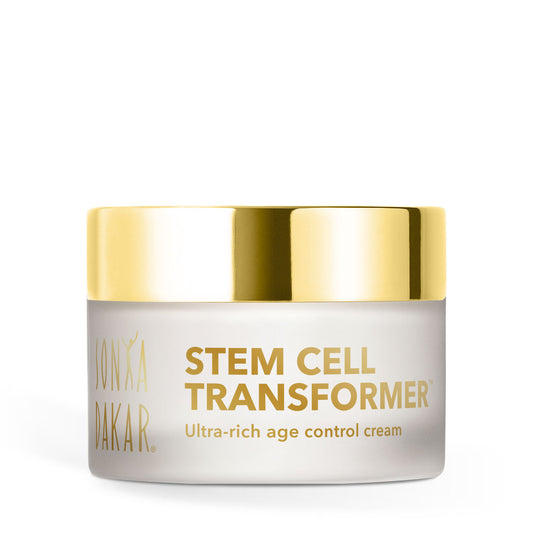
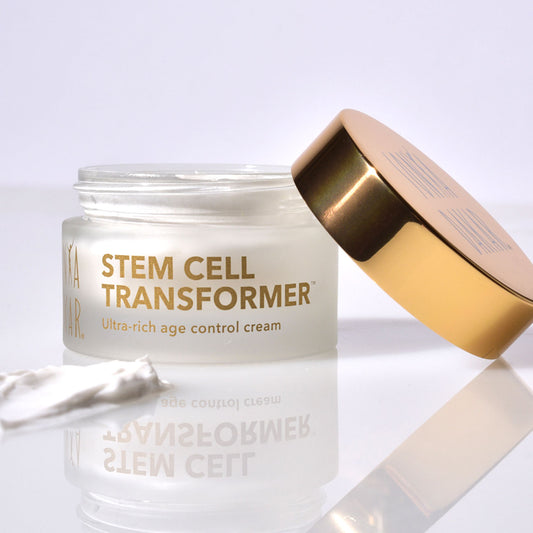
Stem Cell Transformer
Regular price $205.00 USDRegular priceUnit price per -
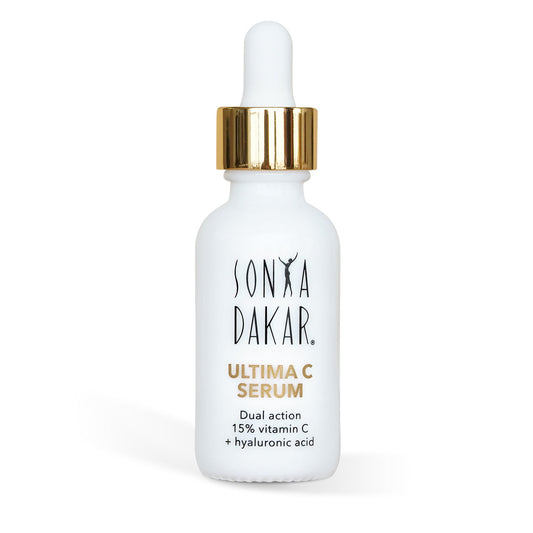
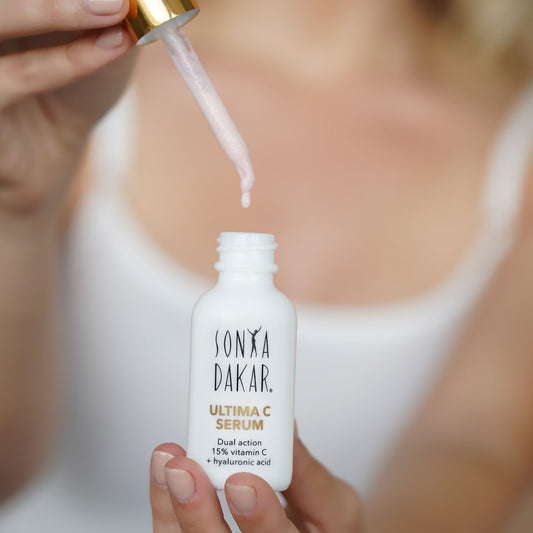
Ultima C Serum
Regular price $90.00 USDRegular priceUnit price per -
Organic Omega Oil
Regular price From $59.00 USDRegular priceUnit price per -
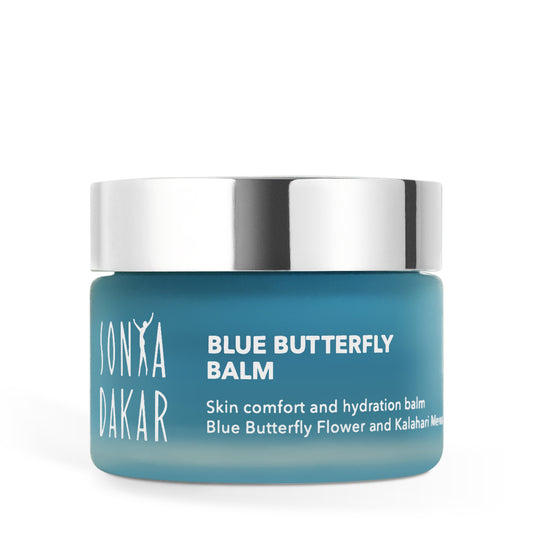
Blue Butterfly Balm
Regular price $88.00 USDRegular priceUnit price per -
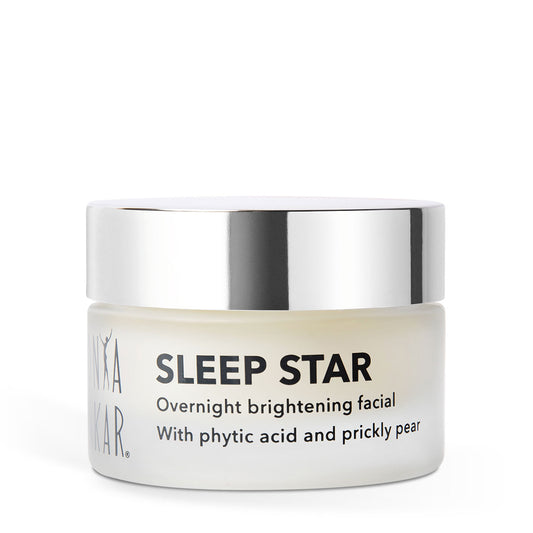
Sleep Star
Regular price $90.00 USDRegular priceUnit price per -
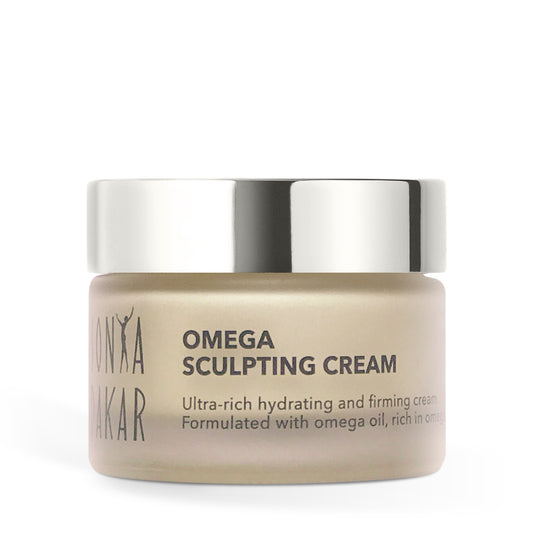
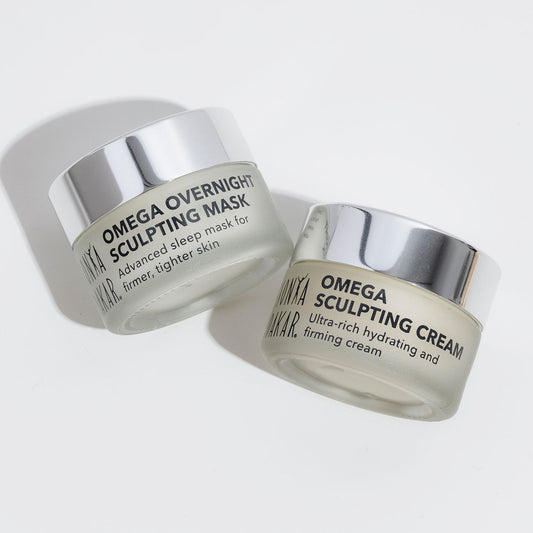
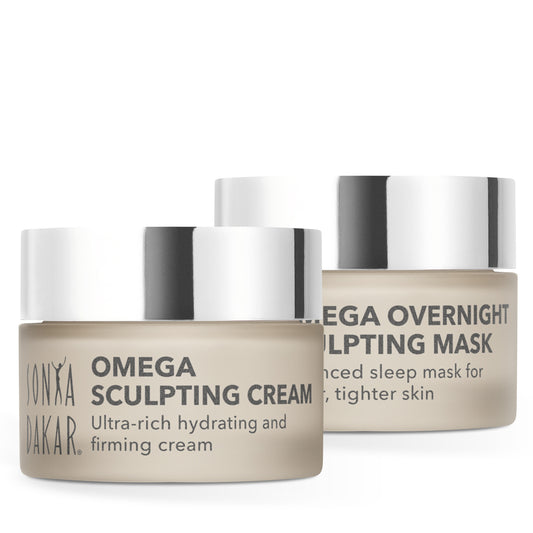
Omega Sculpting Cream
Regular price From $39.00 USDRegular priceUnit price per -
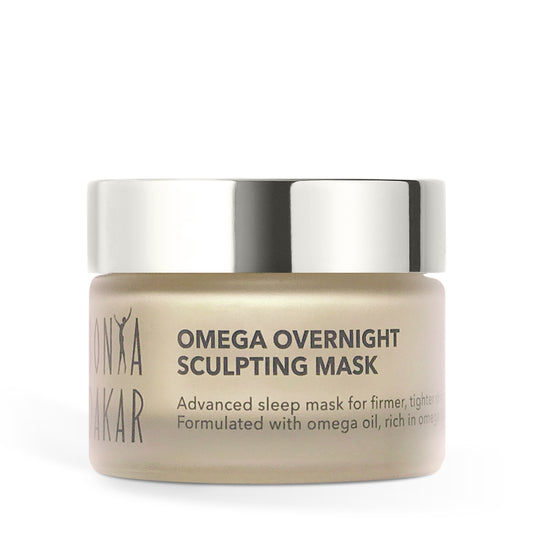
Omega Overnight Sculpting Mask
Regular price From $35.00 USDRegular priceUnit price per -
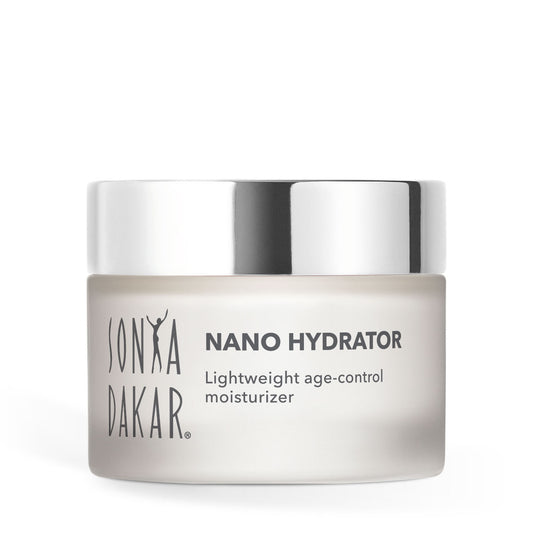
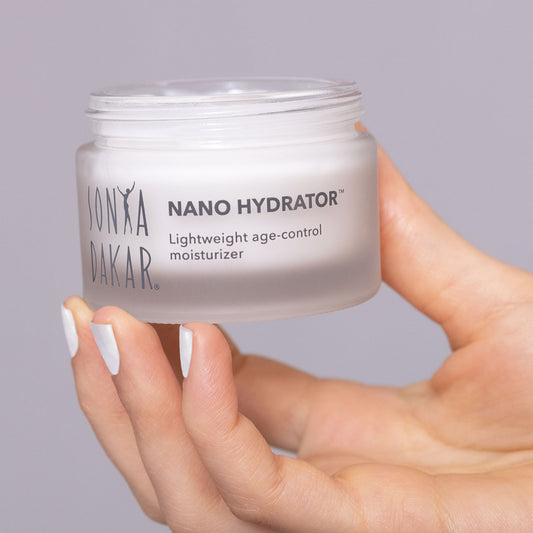
Nano Hydrator
Regular price From $35.00 USDRegular priceUnit price per -
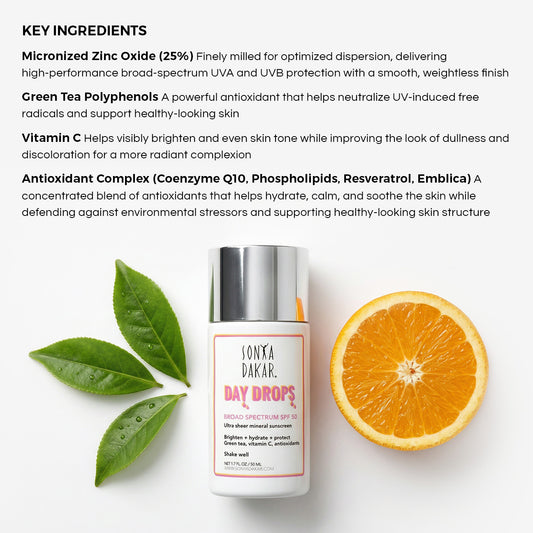
Day Drops SPF 50 Serum: Ultra-Sheer Mineral Sunscreen
Regular price $48.00 USDRegular priceUnit price per -
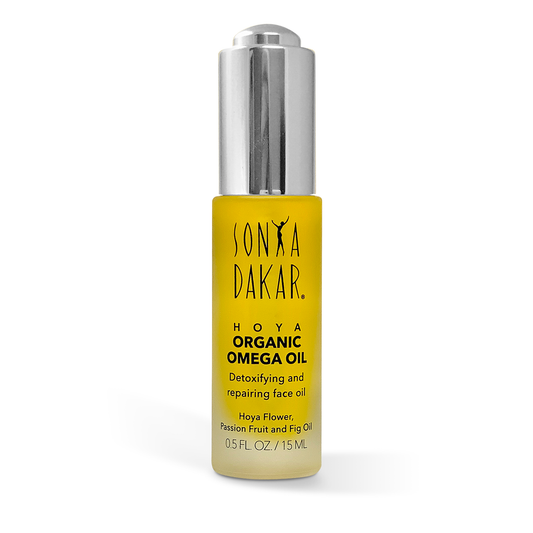
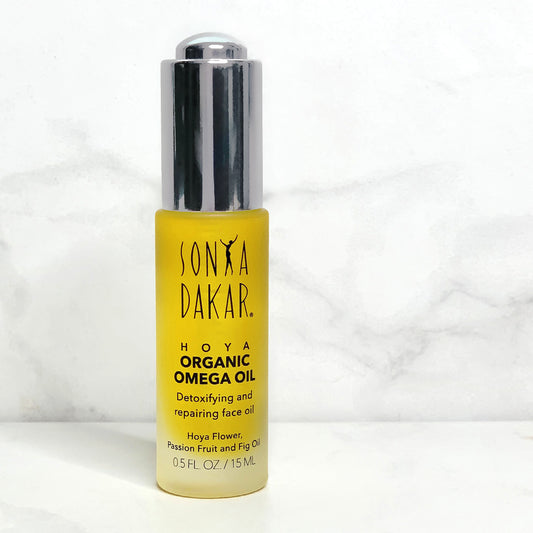
Hoya Organic Omega Oil
Regular price $69.00 USDRegular priceUnit price per -
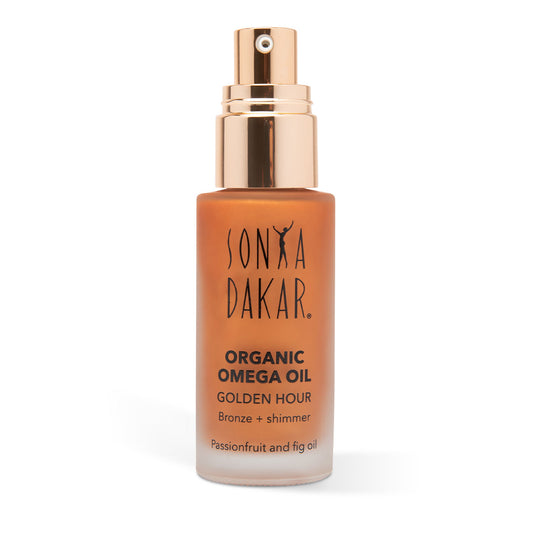
Organic Omega Oil - Golden Hour
Regular price From $59.00 USDRegular priceUnit price per -
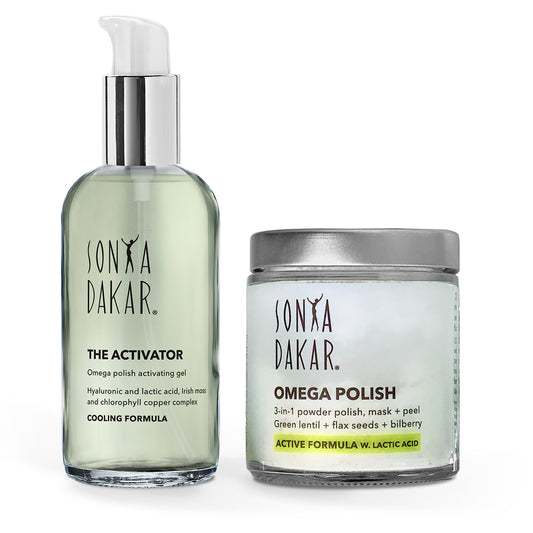
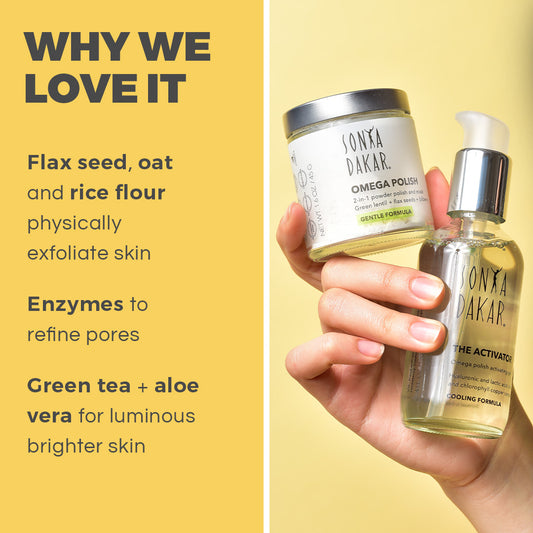
Omega Polish and Activator Duo
Regular price From $25.00 USDRegular priceUnit price per -
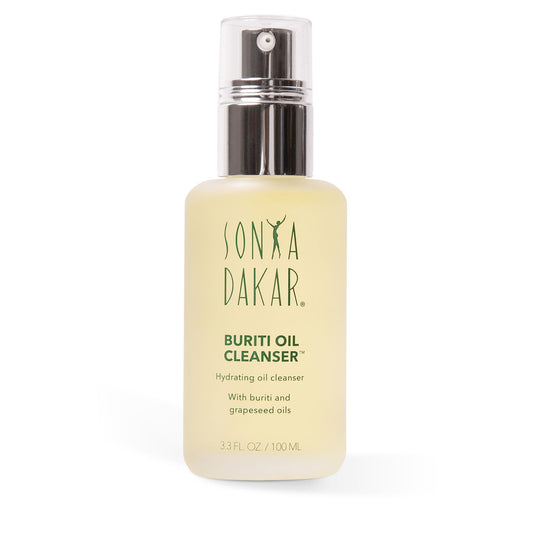
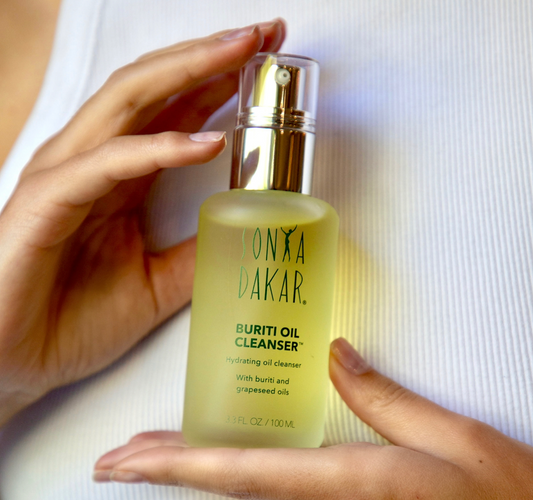
Buriti Oil Cleanser
Regular price From $20.00 USDRegular priceUnit price per -
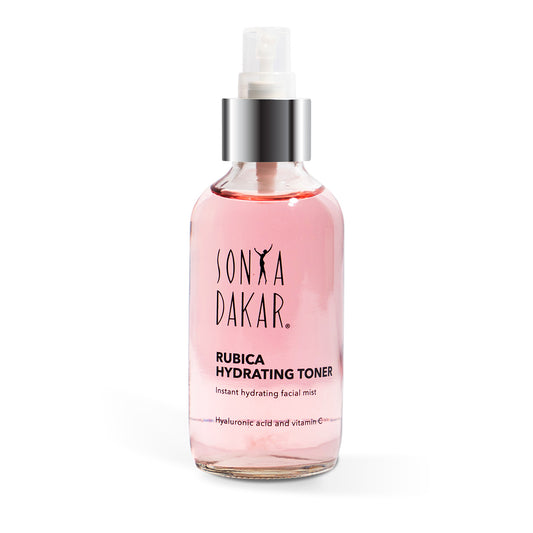
Rubica Hydrating Toner
Regular price From $18.00 USDRegular priceUnit price per -
Omega Sculpting Cream & Mask Mini
Regular price $72.00 USDRegular priceUnit price per -
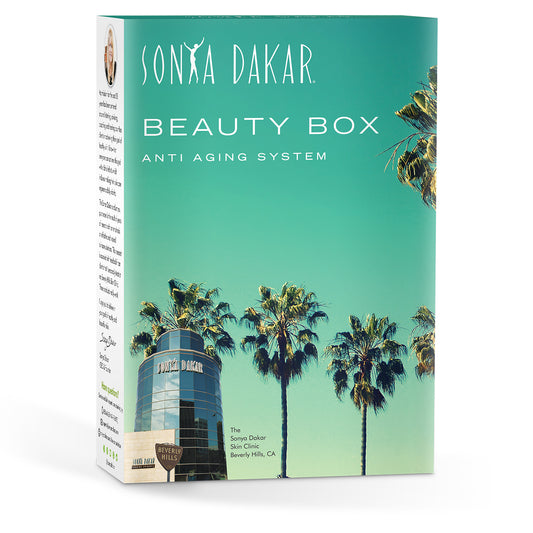
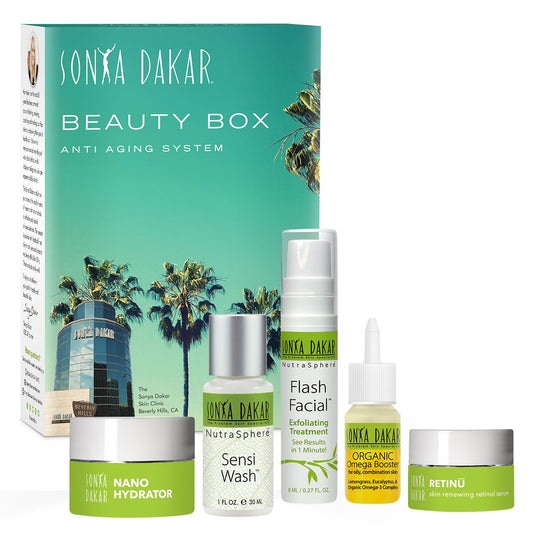
Beauty Box Anti-Aging System
Regular price $59.00 USDRegular priceUnit price per$89.00 USDSale price $59.00 USDSale -
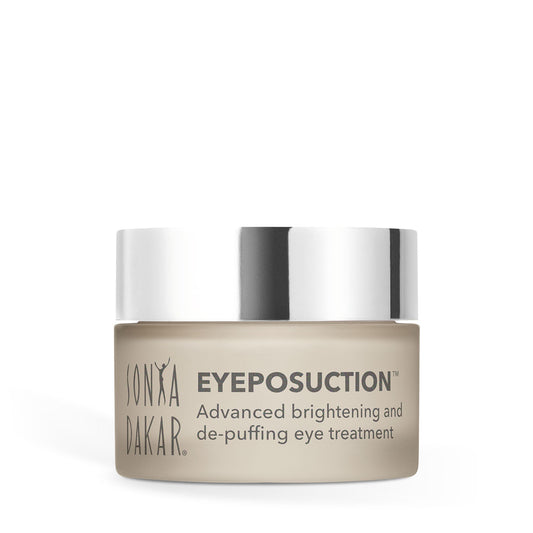
Eyeposuction
Regular price $175.00 USDRegular priceUnit price per -
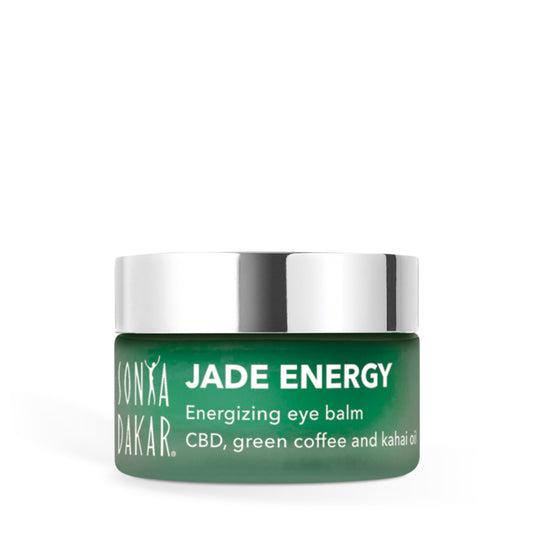
Jade Energy
Regular price $68.00 USDRegular priceUnit price per






How Anti-Aging Products Work on Aging Skin
Aging skin looks different because it works differently. In your twenties, skin cell turnover runs on roughly a monthly cycle, and fresh cells reach the surface quickly. That cycle slows with age, so dead skin cells linger longer and skin looks dull and rough. At the same time, collagen production declines, and skin loses elasticity it once had. Add years of sun exposure, and you get the visible signs most people notice first: fine lines around the eyes and mouth, uneven skin tone, dark spots and a loss of firmness along the jaw.
Sun damage is the biggest outside factor. UV rays create free radicals, which are unstable molecules that damage the proteins and lipids that keep skin firm. Pollution and stress add to the same load. Skin also produces less oil over time, so it holds less moisture and fine lines look deeper.
Good anti-aging products address those changes directly. Retinoids encourage faster cell turnover. Antioxidants like vitamin C neutralize free radicals and even out skin tone. Humectants like hyaluronic acid draw water into the skin so lines look softer, and rich oils and balms rebuild the skin barrier so that moisture stays put. No product stops time, but the right active ingredients, used consistently, can make a clear difference in how your skin looks and feels.
Sonya Dakar's anti-aging line comes out of her work with clients at her Beverly Hills skin clinic, where she saw one problem repeat itself. People buy strong anti-aging products, their skin gets red and flaky, and they quit before the products have a chance to work. That's why every formula in this collection is built to deliver results while staying gentle enough for daily use.
Signs of Aging and the Anti-Aging Products That Target Them
Most people shop for anti-aging products because of one specific change they've noticed. Starting with that concern makes it easier to pick the right product instead of buying a little of everything.
Fine Lines and Wrinkles
Fine lines and wrinkles form where skin folds repeatedly, like around the eyes, across the forehead and between the brows, and they deepen as collagen and elasticity decline. Retinoids are the most effective topical option for lines and wrinkles because they speed up renewal at the surface. Retinu and Stem Cell Transformer are our two lead treatments here, and hydrating serums with hyaluronic acid help lines look softer right away while retinoids work over the longer term.
Loss of Firmness
When skin loses elasticity, contours along the jaw, cheeks and neck start to soften. Peptides and rich, nourishing creams help skin look firmer and more lifted. Omega Sculpting Cream is made for this concern on the face and neck, and the Omega Overnight Sculpting Mask pairs with it at night.
Dullness and Uneven Tone
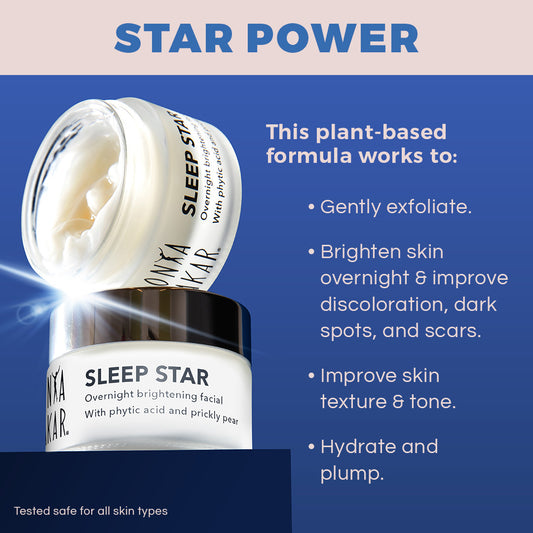
As turnover slows, dead skin cells build up on the surface and scatter light unevenly, so skin looks flat and tired. Gentle exfoliation with lactic acid clears that buildup, and vitamin C brightens what's underneath. Try Sleep Star once or twice a week and Ultima C Serum every morning.
Dark Spots
Age spots and sun spots come from years of UV exposure. Vitamin C and retinoids help fade existing spots gradually, and daily SPF keeps new ones from forming. If spots are your main concern, our dark spot correctors collection has more targeted options.
Dryness
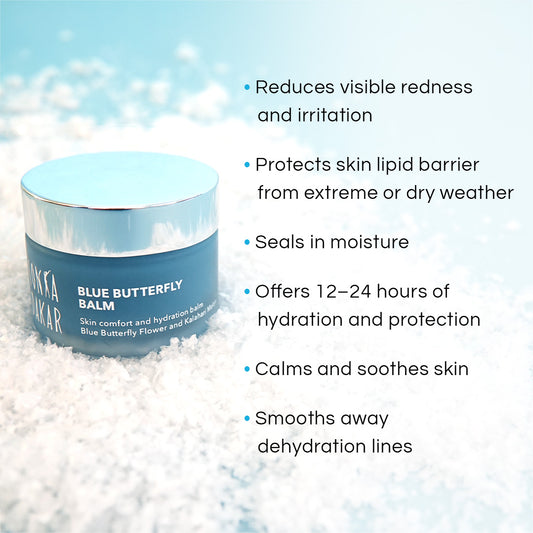
Skin makes less oil as it ages, so it feels tighter and shows lines more clearly. Face oils and balms replace some of those missing lipids. Organic Omega Oil, Hoya Organic Omega Oil and Blue Butterfly Balm are the richest options in this collection.
The Best Anti-Aging Ingredients and What They Do
The best anti-aging routines are built around a few proven ingredient families. Here's how each one works and where you'll find it in our collection.
Retinoids: Retinu vs. Retinol and Prescription Retinoids
Retinoids are the most studied anti-aging ingredients available. They're vitamin A derivatives that speed up skin cell turnover, and research links them to increased collagen synthesis over time. That combination is why they're used to soften fine lines, smooth texture and fade dark spots.
The catch has always been irritation. Over-the-counter retinol has to convert into retinoic acid inside your skin before it's active, and that conversion process is behind the redness and peeling many people experience. Prescription retinoids like tretinoin skip the conversion but tend to be the most irritating option of all.
Retinu takes a different approach. It uses hydroxypinacolone retinoate (HPR), a retinoid ester that doesn't need the same multistep conversion. It's paired with ceramides, squalane and peptides to support the skin barrier while it works. Start with a few nights a week and increase as your skin adjusts. For more options, see our picks for the best retinol for wrinkles.
Vitamin C Serum for Brightness and Protection
A vitamin C serum does two jobs. As an antioxidant, it helps protect skin from the free radicals that sun exposure creates. It also helps brighten dullness and reduce discoloration, including the dark spots that sun damage leaves behind. Vitamin C also plays a role in collagen production, which is why it's so often paired with retinoids.
Not all vitamin C products are the same. L-ascorbic acid, the pure form of ascorbic acid, is potent but unstable: it oxidizes quickly once exposed to air and light, and it can irritate skin at higher strengths. Stabilized forms hold up better in the bottle and on the skin. Ultima C Serum uses 15% vitamin C from two stable forms, magnesium ascorbyl phosphate and 3-glyceryl ascorbate, plus hyaluronic acid and antioxidant fruit extracts. Stem Cell Transformer and Eye Need use tetrahexyldecyl ascorbate, an oil-soluble vitamin C.
Hyaluronic Acid and Polyglutamic Acid
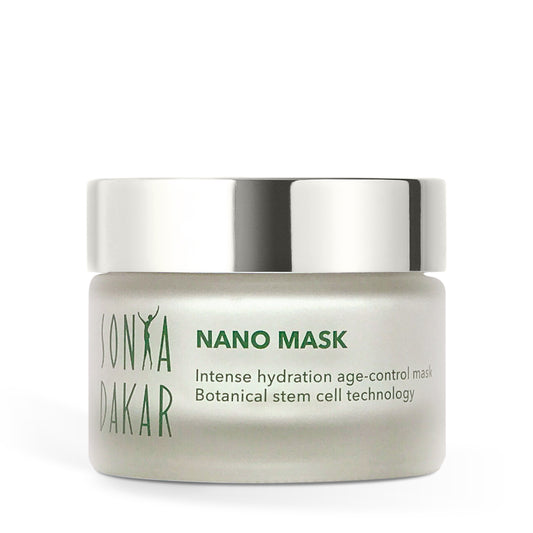
Hydrated skin looks smoother, because water plumps the surface and makes lines and wrinkles less visible. Hyaluronic acid is a humectant that attracts and holds water, and you'll find it throughout this collection in Ultima C Serum, SuperLift, Nano Hydrator and Nano Mask. Polyglutamic acid is another humectant that forms a moisture-holding film on the skin, and it's often layered with hyaluronic acid in hydration-focused routines. Whichever you use, seal it in with a moisturizer or oil so the water doesn't evaporate.
Peptides and Plant Stem Cells
Peptides are short chains of amino acids, the building blocks of proteins like collagen. They're used in topical products to support firmness and smoothness. SuperLift uses a copper peptide complex, Eye Need uses peptides designed for the eye area, and Nano Mask pairs peptides with hyaluronic acid.
Green apple stem cell extract is the signature ingredient in Stem Cell Transformer, Nano Hydrator, Nano Mask and Eye Need. It's valued for its antioxidant properties and for helping skin look firmer and more resilient. You can read more in our post on apple stem cells for anti-aging.
Exfoliating Acids: Lactic Acid and Beta Hydroxy Acids
Exfoliation removes the dead skin cells that pile up as turnover slows. Alpha hydroxy acids like lactic acid work on the skin's surface to reveal smoother, brighter skin, and lactic acid adds hydration, which makes it a good fit for dry and mature skin. Sleep Star uses a 10% complex of lactic and phytic acids as an overnight treatment, and Omega Polish uses lactic acid in a polish format. Beta hydroxy acids like salicylic acid are oil soluble, so they're better for clogged pores than for lines and dryness. Exfoliate once or twice a week, not every day, and never on the same night you use a retinoid until you know how your skin reacts.
Broad Spectrum SPF: The Anti-Aging Step You Can't Skip
If you only add one product to your anti-aging routine, make it sunscreen. Sun exposure causes most of the visible signs of aging on the face, including wrinkles, dark spots and loss of firmness, and it also raises your risk of skin cancer. Daily sunscreen helps protect skin from both.
Look for products labeled "broad spectrum," which means they cover both UVA rays, which drive aging, and UVB rays, which cause sunburn. The American Academy of Dermatology recommends a broad spectrum sunscreen of at least SPF 30. Apply sunscreen as the last step every morning, and wear sunscreen daily, including on cloudy days, since UV rays pass through clouds and windows. Reapply every two hours when you're outdoors.
Sun protection also protects the results you're getting from your other products. Retinoids and exfoliating acids make skin more sensitive to the sun, and new dark spots can form faster than old ones fade. Day Drops SPF 50 Serum is a fragrance free, broad spectrum SPF 50 mineral sunscreen with zinc oxide, and it adds ascorbic acid and resveratrol for antioxidant support. It goes on sheer, so it works across skin tones. Browse our full sun care collection for more options.
Build an Anti-Aging Routine, Step by Step
An effective anti-aging routine doesn't need ten steps. It needs the right products in the right order, used consistently. Here's how we recommend putting it together.
Morning
- Cleanse. Use a gentle facial cleanser that doesn't strip your skin. Buriti Oil Cleanser uses buriti, grapeseed and avocado oils to cleanse without leaving skin tight.
- Tone. A hydrating mist like Rubica Hydrating Toner preps skin to absorb what comes next.
- Treat with antioxidants. Apply Ultima C Serum to your face and neck.
- Care for the eye area. Pat SuperLift or Eye Need around the orbital bone.
- Moisturize. Nano Hydrator is lightweight and absorbs quickly. Add a few drops of Organic Omega Oil if your skin is dry.
- Protect. Finish with Day Drops SPF 50 Serum.
Evening
- Cleanse. Remove sunscreen and makeup with Buriti Oil Cleanser.
- Treat. Apply Retinu or Stem Cell Transformer. If you use both, alternate nights while your skin adjusts.
- Eye cream. Reapply your eye treatment.
- Seal in moisture. Use Omega Sculpting Cream, Blue Butterfly Balm or Organic Omega Oil to lock in hydration overnight.
Weekly
Use Sleep Star or Omega Polish and Activator Duo once or twice a week for gentle exfoliation, and Nano Mask when your skin needs an extra dose of hydration. On nights you exfoliate, skip your retinoid.
Common Anti-Aging Routine Mistakes
A few habits undo good products faster than anything else:
- Starting too many actives at once. If you add a retinoid, a vitamin C serum and an exfoliant in the same week and your skin reacts, you won't know which one caused it. Introduce one new product every two weeks.
- Over-exfoliating. Exfoliating every day thins out the protective outer layer and leaves skin red and sensitive. Once or twice a week is enough for most people.
- Skipping sunscreen on "indoor" days. UVA rays pass through windows, so the damage continues even when you're at a desk.
- Stopping at the neck. Apply serums, moisturizer and SPF to your neck and chest, which age just as visibly as your face.
- Switching products too soon. Changing products every few weeks means none of them get enough time to work.
How to Layer Your Anti-Aging Skincare Routine
Apply products from thinnest to thickest: toners and mists first, then water-based serums, then eye cream, then creams, then oils and balms. Sunscreen always goes on last in the morning. Let a retinoid absorb for a minute or two before applying moisturizer on top. If your skin is sensitive, you can also apply moisturizer first and your retinoid over it, which softens the effect without cancelling it.
Consistent application matters more than any single ingredient. Most anti-aging products need eight to twelve weeks of consistent use before you'll see visible changes in fine lines and texture, so give a new routine a full three months before judging it.
How to Choose the Best Anti-Aging Skincare for You
With so many products on the shelf, it helps to narrow your search with a few questions.
What's your main concern? Lines, firmness, dullness, spots and dryness each call for different anti-aging ingredients. Pick the product that targets your biggest concern first, then build around it.
How reactive is your skin? If your skin stings easily, choose gentler forms of each active: an HPR retinoid instead of a strong retinol, stabilized vitamin C instead of high-strength L-ascorbic acid, and lactic acid instead of harsher exfoliants.
What does the label say? Check for products labeled broad spectrum on any sunscreen, and look at where active ingredients fall on the ingredient list. Fragrance and drying alcohols near the top of the list can irritate skin, especially around the eyes.
Will you use it every day? The best product is the one that fits into your routine. A texture you enjoy and a step you can remember will do more for your skin than an expensive treatment that sits in a drawer.
If you're building a routine from scratch, the Beauty Box Anti-Aging System includes a cleanser, exfoliator, Retinu, Organic Omega Oil, Nano Hydrator and Nano Mask in trial sizes, so you can see how your skin responds before buying full sizes.
Anti-Aging Skin Care for Every Skin Type
Anti-aging skin care works best when it fits your skin type. The right routine for dry skin can clog pores on oily skin, and a formula that's fine for resilient skin can irritate skin that's reactive.
Dry Skin
Dry skin shows lines sooner, because dehydrated skin can't plump up the surface. Focus on layering hydration and oils. Pair hyaluronic acid with a rich balm or oil at night, like Blue Butterfly Balm, which uses Kalahari melon oil and vitamin E, or Organic Omega Oil, which delivers omega 3, 6 and 9 fatty acids. Omega Sculpting Cream is made for dry skin that has also lost firmness.
Sensitive Skin
Sensitive skin needs anti-aging products that won't cause skin irritation. Start with one active at a time, patch test first, and choose gentle options like Retinu instead of stronger retinoids. Stem Cell Transformer, Eye Need and Omega Sculpting Cream are all formulated for sensitive skin. If you notice stinging or redness, cut back to every other night and support your skin barrier with a balm.
Oily and Combination Skin
Oily skin tends to show fine lines later, but it still needs antioxidants, retinoids and SPF. Choose lightweight textures: Ultima C Serum and Retinu layer well without heaviness, and Nano Hydrator hydrates with less oil than a rich cream. Save oils and balms for drier areas like the cheeks.
Dark Skin Tones
Dark skin tones are more prone to hyperpigmentation, and irritation from harsh products can trigger new dark spots. That makes gentle formulas especially important. Vitamin C and a well-tolerated retinoid help reduce discoloration over time, and daily sunscreen keeps spots from getting darker. Day Drops SPF 50 Serum goes on sheer, so it won't leave a white cast.
Targeting Crow's Feet, Fine Lines and Dark Circles
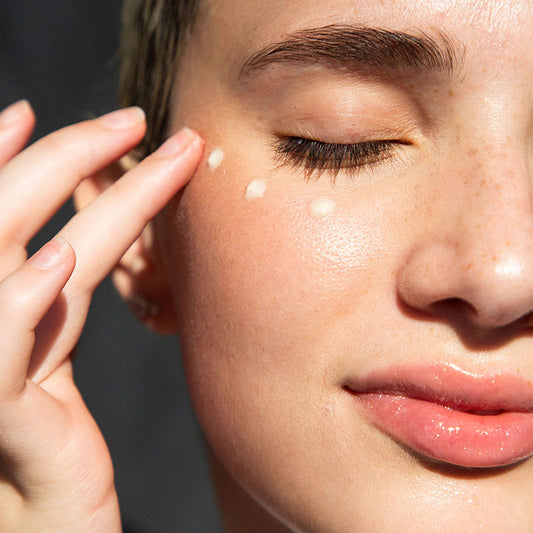
The skin around your eyes is thinner than the rest of your face and has fewer oil glands, so it's often the first place fine lines show up. Crow's feet form at the outer corners from years of smiling and squinting, and they deepen as the skin loses elasticity. Dark circles have different causes, from genetics and thin skin to fluid retention and lack of sleep.
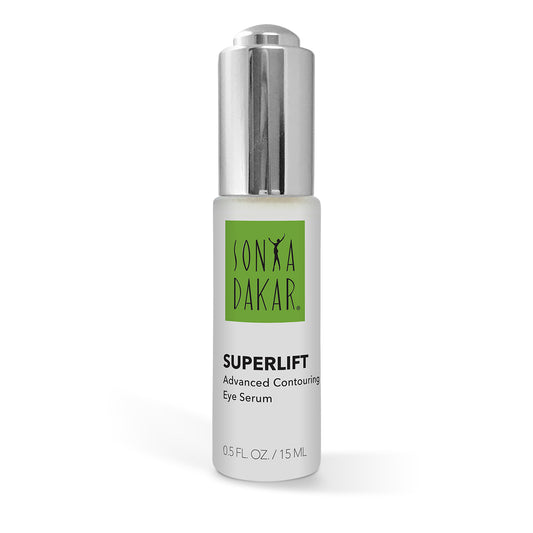
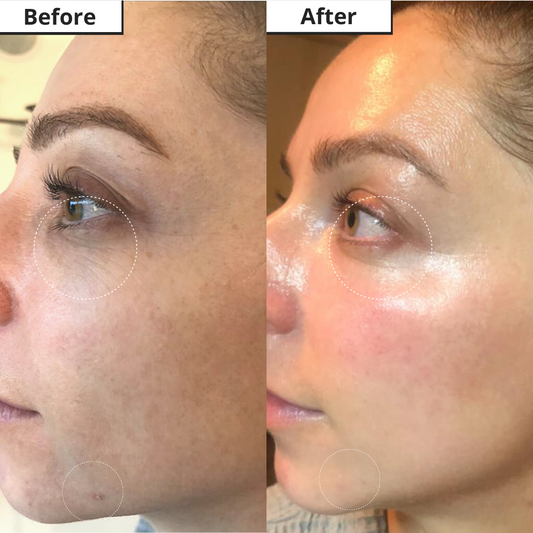
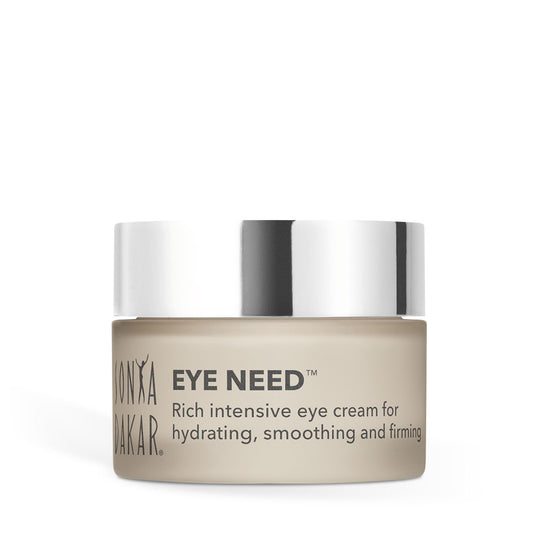
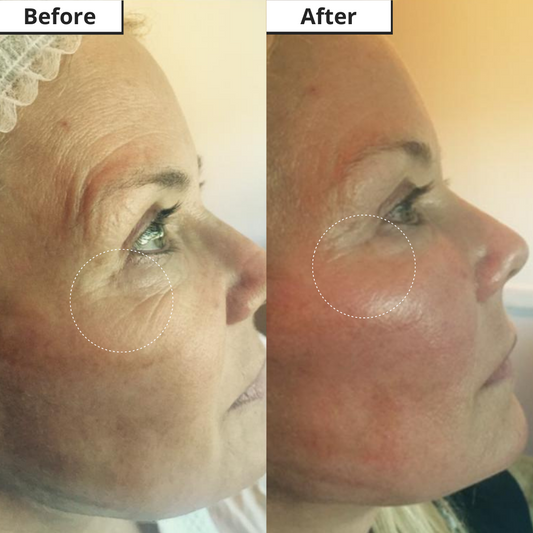
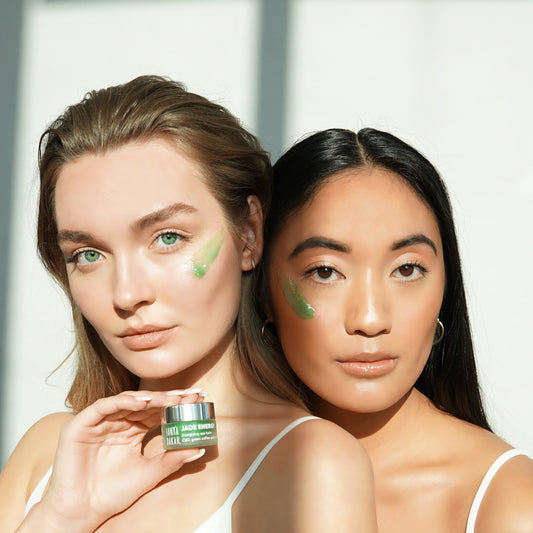
An eye cream made for this area can help. Eye Need is an eye cream free of artificial fragrance with apple stem cells, peptides and hyaluronic acid, designed to soften fine lines and crow's feet. SuperLift is a lightweight eye serum with a copper peptide complex and hyaluronic acid that helps firm and smooth the eye area. For puffiness and the look of dark circles, Jade Energy is a cooling eye balm with coffee seed oil and vitamin E.
Sun protection matters here too. Squinting in bright light deepens crow's feet, and UV damage thins the skin that's already delicate. Sunglasses and daily SPF can help prevent wrinkles in this area. For a closer comparison, see our guide to which eye cream is best for you or shop our eye cream for dark circles collection.
Aging Skincare Products for Mature Skin, by Decade
The right aging skincare products depend on where your skin is now, not just on the year you were born. Use the decades below as a guide.
The best skincare for your 30s isn't the same as what works at 55.
In your 30s, prevention is the goal. Daily sunscreen, a vitamin C serum and a gentle retinoid build a strong foundation before deeper lines set in.
In your 40s, skin cell turnover slows noticeably, and fine lines and uneven tone become more visible. This is when a consistent retinoid and targeted serums pay off. Explore our picks for an anti-aging serum for your 40s.
In your 50s and beyond, mature skin often becomes drier and thinner, especially after hormonal changes. Richer creams, oils and barrier support become just as important as actives. Shop our skincare for your 50s or read our skin tips for mature skin.
Don't forget the neck and chest, which show aging as clearly as the face. Extend your serums and moisturizer down past your jawline, or browse our neck firming cream collection.
Anti-Aging Skincare Products vs. Professional Treatments
Topical products and professional treatments work well together, but they do different things. Anti-aging skincare products improve the skin's surface and support its health every day. Professional treatments work deeper and deliver faster, more dramatic changes.
Chemical peels use higher concentrations of acids to remove damaged surface layers and reduce discoloration. Laser therapy targets deeper lines, sun damage and loss of firmness. In severe cases of sun damage or deep wrinkles, a dermatologist may recommend prescription retinoids or in-office procedures. A good home routine helps you maintain those results longer and protect your skin barrier while it recovers.
Our anti-aging products are designed to be the daily foundation: gentle enough to use every day, effective enough to make a visible difference, and easy to pair with professional care. For younger looking skin that lasts, consistency beats intensity.
Explore More From Sonya Dakar
Want a narrower list? Shop our curated best anti-aging skincare products, our serums for aging skin, or our dark spot correctors if uneven tone is your main concern.
FAQ
What are the best anti-aging products to start with?
Start with three products: a vitamin C serum in the morning, a retinoid at night and a broad spectrum sunscreen every day. Those three cover the biggest causes of visible aging. A good combination from our collection is Ultima C Serum, Retinu and Day Drops SPF 50 Serum. Once your skin adjusts, add an eye cream and a richer moisturizer if you need more hydration.
At what age should you start using anti-aging skincare?
Daily sunscreen is worth starting as early as possible, since sun exposure causes most visible aging. Many people add a vitamin C serum and a gentle retinoid in their mid to late 20s or early 30s, when skin cell turnover starts to slow. It's never too late to start, either. Mature skin still responds well to retinoids, hydration and consistent sun protection.
Can you use retinol and vitamin C together?
Yes, but most people get the best results using them at different times of day. Apply vitamin C in the morning, where its antioxidant benefits help protect skin from sun exposure, and use your retinoid at night. That split also lowers the chance of irritation. Retinu uses HPR, a gentle retinoid, which makes it easier to fit into a routine alongside other active ingredients.
How long do anti-aging products take to work?
Hydrating products like hyaluronic acid serums and face oils can make skin look smoother within days. Retinoids, vitamin C and peptides take longer, usually eight to twelve weeks of consistent use before you'll see changes in fine lines, texture and tone. Take progress photos in the same light every few weeks so you can see gradual improvement.

CALIFORNIA CLEAN
Every Sonya Dakar Innovation is created to be natural, effective, and good for the environment. Learn more about our commitment to clean products and a green planet.